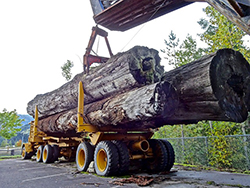
Logging is one of the oldest and most dangerous professions in the United States. Workers are exposed to dozens of potential illnesses and injuries on the ground, in heavy equipment or around a sawmill. Discover the Workers' Compensation risks in the logging industry as you protect yourself on the job.
Logging Dangers
Employees in the logging industry face many challenges. They typically work in rough terrain outdoors in all kinds of weather, handling heavy logs and operating powerful equipment, which increases the chance of accidents.
Accidents are common from falling trees, equipment malfunctions, and the physical demands of the work. Fatigue can make it easier for employees to let down their guard.
Isolated logging locations can also increase the negative effects of an illness or injury since employees may be far from prompt medical treatment.
Consider these additional risks, too.
- Being hit by dangling branches or falling logs
- Falling from trees
- Chainsaw and axe injuries
- Tractor or heavy equipment accidents
- Repetitive strain injuries
- Uneven terrain that causes fractures, sprains, lower body injuries, lacerations or contusions
Logging Jobs Eligible for Workers' Compensation Insurance
The logging industry includes dozens of jobs in timbering, hauling, processing and manufacturing. In each of these roles, workers can be at risk for injury or illness and are generally eligible for Workers' Compensation.
Examples
- Timber excavation
- Manual or mechanized fallers
- Buckers
- Tree climbers
- Choke setters
- Rigging slingers and chasers
- Tractor, loader or other heavy machine operators
- Log sorters
- Transporters
- Debarking crew
- Planing crew
- Machine operators
- Log and chip processors
Other roles
- Machine mechanics
- Lumberyard employees
- Log graders and scalers
- Customer service specialists
- Building material dealers
- Foremen and crew
How to Prevent Logging Injuries and Illnesses
Even careful workers who use proper safety equipment can be injured or become ill on the job. Take these precautions to reduce the risk of work-related incidents that are often covered by Workers' Compensation.
Wear safety equipment. Your gear should include a hard hat, sturdy boots with slip-proof soles, appropriate clothing and protective-hearing devices.
Know how to operate equipment. Be trained and competent whether you're using a chainsaw, loader, or logging truck.
Take ongoing safety training. Regular refreshers help you stay updated on industry safety procedures and best practices.
Insist others follow safety procedures. Point out unsafe practices and encourage a culture of safety on every job site.
Are you Covered?
If you work in the logging industry, you need Workers' Compensation insurance for loggers. It covers a variety of work-related illnesses and injuries and helps ensure you receive medical care and income if you're injured or become ill because of your job. Learn more about Logging Workers' Compensation.
If your work includes sawmill operations or processing, see Logging & Sawmill Workers Compensation for related coverage information.
Whether you cut, haul or process logs, make sure your employer carries this coverage and, if you need guidance, consider talk to an agent about your specific situation.
Frequently Asked Questions
What types of injuries does Workers' Compensation usually cover for loggers?
Workers' Compensation typically covers medical care and partial wage replacement for work-related injuries such as fractures, lacerations, crush injuries, and repetitive strain conditions.
Are self-employed loggers eligible for Workers' Compensation?
Eligibility for self-employed individuals varies by state; some states allow voluntary coverage while others require employers to carry insurance for workers they hire.
What should I do immediately after a logging injury on the job?
Seek necessary medical care, report the injury to your employer as soon as possible, and follow your employer's claim-reporting procedures.
Can fatigue-related accidents be covered by Workers' Compensation?
Yes, if the injury or illness is work-related and arose out of employment duties, fatigue-related incidents may be covered under Workers' Compensation.