Overview
This article summarizes three revealing polling questions from an HR webinar about demonstrating value, enthusiasm for HR work, and barriers to progress.
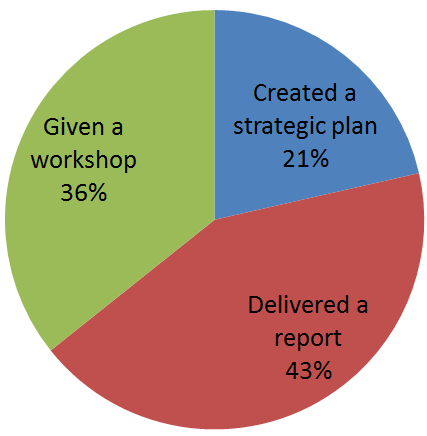 The three questions highlight practical actions HR professionals can take to be noticed, to increase the impact of their work, and to remove the common obstacles that limit their effectiveness.
For teams focused on leadership and HR roles, additional context is available in Attracting Leadership Talent and HR Opportunities.
Key takeaways
- Proactive communication about your contributions matters; many good performers go unnoticed.
- HR can be strategic and exciting when it focuses on performance, retention, and culture rather than only compliance.
- Time and organizational constraints are the most common barriers; deliberate time management can free capacity for higher-value work.
How it works
The original polling asked three pointed questions: what have you done to show your value, how excited are you about HR opportunities, and what's stopping you from doing more.
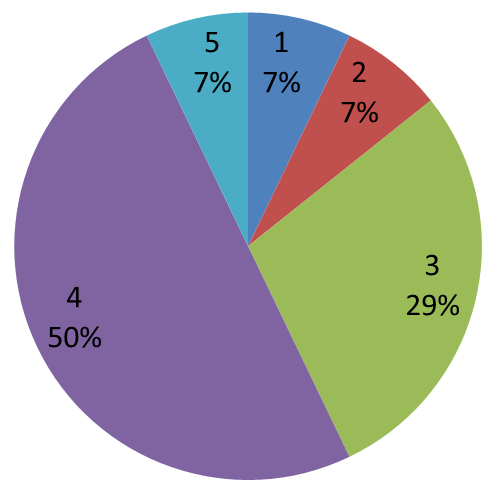 Responses showed that only a small portion of HR professionals report formal strategic planning or high excitement about HR’s potential.
The process for improving results is simple: document contributions, align projects to measurable business outcomes, and communicate those outcomes to managers and stakeholders.
What it may cover (and what it may not)
Practical actions covered by these ideas include creating strategic plans, delivering workshops or reports, and improving performance management systems.
These suggestions are not a substitute for technical HR responsibilities such as legal compliance, payroll processing, or benefits administration; instead, they complement those tasks by adding strategic value.
To explore professional services that help HR teams scale strategic work, consider resources like Human Resource Consulting Services Insurance.
You might also review Insurance for Humane Societies for sector-specific approaches to risk and program design.
Common mistakes to avoid
Relying solely on day-to-day administrative tasks and assuming others will notice your impact is a frequent mistake.
Another common error is not tracking outcomes; if you cannot show measurable improvements, it is harder to justify strategic programs.
Finally, treating time scarcity as an unchangeable condition prevents experimentation with prioritization and delegation strategies that can create five or more useful hours each week.
Questions to ask an agent
When discussing organizational risk and support for HR initiatives, ask about coverage for executive recruitment and retention strategies that affect leadership continuity.
Ask whether consulting or risk-transfer options exist to protect the company during transitions and to support HR-led change management efforts.
Clarify how any recommended services align with your strategic HR goals and whether they include training or tools to improve time management and performance systems.
Next steps
Start by tracking where your time goes for one to two weeks to identify low-value work you can delegate or eliminate.
Build a short strategic plan with two or three measurable goals tied to business outcomes, and schedule a brief monthly update to leaders to document progress.
If you need third-party help evaluating risk or structuring HR programs, consider the appropriate internal or external resources and Attracting Leadership Talent and HR Opportunities as a starting reference.
For records-management and document-risk considerations, review ShredderGuard - Document Destruction Insurance as an example of a focused solution.
When you are ready to review options with a specialist, you can talk to an agent about available services and next steps.
Frequently Asked Questions
How do I start showing my HR contributions to leadership?
Begin by creating concise, measurable summaries of projects and outcomes and share them in regular updates with managers.
What is the fastest way to free up time for strategic HR work?
Track your time, identify low-value recurring tasks, and delegate or automate at least five hours per week to create space for higher-impact work.
How can HR increase excitement about its role in an organization?
Focus on initiatives that directly affect performance and retention, and publicize early wins to build momentum and interest.
Are there external services that support HR in becoming more strategic?
Yes, consulting and specialized insurance or advisory services can help structure programs and manage transition risks without replacing internal ownership.