Overview
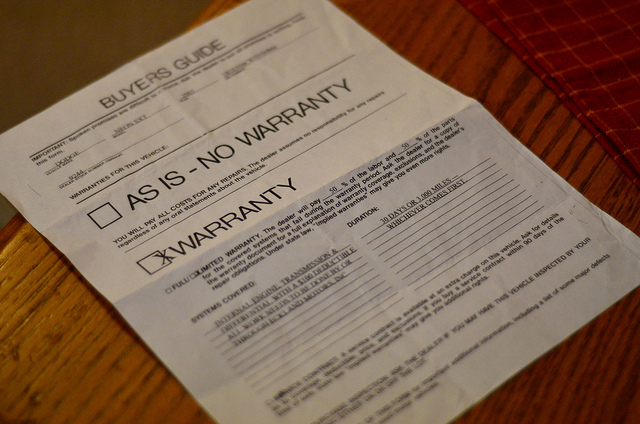
Warranties on construction work give owners a written assurance that completed work will meet an agreed standard for a defined time. In many places an implied warranty period can be short unless a written extension is agreed, so a formal warranty clarifies expectations for both parties.
A clear warranty can also shift some early reporting responsibilities to the owner so small defects are reported and fixed before they become bigger liabilities. For additional guidance on formal warranty instruments, see Warranty Bonds.
Key takeaways
- Written warranties define the standard of work and the warranty period.
- Extending a warranty lets parties agree on reporting duties and early remedies.
- Clear, specific warranty terms reduce disputes and help manage liability.
How it works
A written warranty sets out what the contractor promises to remedy, for how long, and under what conditions. It is often narrower and more specific than an implied phrase such as “workmanlike manner,” which can be vague and change with evolving standards and site knowledge.
The warranty should list triggering events (for example, structural failure, water intrusion, or settlement) and the process the owner must follow to make a claim, such as notifying the contractor within a specified timeframe. To understand how warranties interact with contractor coverage and continuity of operations, see Construction & Contractor Risk: Warranties, Continuity, Claims, Substitutions.
What it may cover (and what it may not)
Typical warranty language covers defects in workmanship and materials discovered during the warranty period and requires the contractor to repair or replace deficient work. It may also include performance guarantees for specific systems such as drainage or waterproofing.
Warranties usually do not cover damage from later changes, normal wear and tear, or defects caused by third parties or the owner’s actions. They also may exclude latent site conditions that were not discoverable at the time of construction unless specifically addressed in the contract.
Common mistakes to avoid
Relying on vague terms like “workmanlike manner” without defining measurable standards opens the door to disputes. Owners and contractors should specify materials, performance criteria, and acceptable tolerances.
Another common mistake is failing to include a clear reporting and response process. If owners are not required to report early signs of trouble, small issues can become costly. Assigning reporting duties and inspection checkpoints helps both parties act quickly.
Questions to ask an agent
Ask whether your insurance and bonds align with the warranty you plan to offer or accept, and whether additional coverage or a bond is appropriate for longer warranty periods. For related liability and water-damage considerations tied to warranties and completed work, see Contractor Liability, Warranties, Submittals and Water Damage.
Also clarify who pays for inspections, who performs repairs, and what evidence is required to make a claim under the warranty.
Next steps
Work with your attorney to draft warranty language that defines the standard of work, the reporting process, exclusions, and remedies. Be explicit about timelines for notice and response so both parties know their obligations.
Before finalizing, review any performance bonds, insurance policies, or continuity plans that back the warranty, and make sure the contract references them where appropriate. If you want assistance arranging coverage or reviewing options, talk to an agent.
Frequently Asked Questions
How long should a construction warranty last?
Warranty length varies by project and jurisdiction; parties typically negotiate a period that reflects the scope and risk of the work.
What is the difference between an implied warranty and a written warranty?
An implied warranty is a legal default standard that may be vague, while a written warranty explicitly defines standards, exclusions, and procedures.
Can a warranty require the owner to report problems?
Yes. Warranties can include owner duties to report early warning signs so defects are addressed before they cause larger damage or liability.
Does a warranty cover future site-condition discoveries like sink-swell soils?
Usually not unless the contract specifically includes latent site-condition protections; otherwise, such conditions are often addressed through separate clauses or different risk allocations.