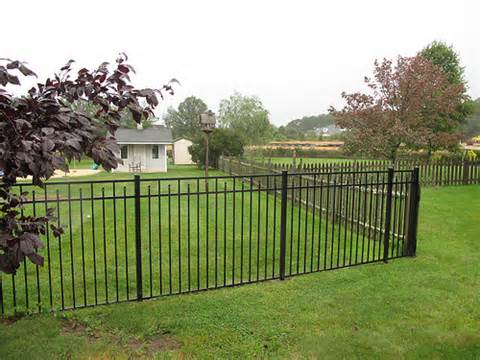
Overview
Choosing the right protective fencing for your yard balances purpose, budget, aesthetics and local rules. A fence can provide privacy, keep children and pets contained, and deter stray animals or casual trespassers.
Material options range from low-cost wire to more permanent stone or wood structures, and many homeowners combine types to meet different needs on each side of a property.
Key takeaways
- Select a fence based on primary goals: containment, privacy, or visual appeal.
- Lower-cost materials like wire and salvaged wood reduce upfront expense but may need more maintenance.
- Living fences (bamboo, hedges) add natural screening but require ongoing care and planning.
- Check local codes and any homeowners association rules before installing a fence.
How it works
Fencing creates a physical barrier that defines property lines and controls access. Different materials perform differently for specific purposes: wire keeps small animals in or out affordably, wood provides a solid visual barrier, and stone gives durable privacy where available.
Installation quality matters: posts should be set securely and materials fastened at regular intervals to maintain stability and longevity. Consider drainage and soil conditions to prevent premature failure.
What it may cover (and what it may not)
A good fence can reduce the chance of accidental escapes by children and pets and may help deter casual intruders or wildlife entry. It also improves privacy and can enhance curb appeal if maintained.
However, a fence is not a guarantee against theft, determined trespass, or all wildlife damage. Insurance policies vary, so a fence alone usually does not replace other safety measures or cover the cost of installation.
Common mistakes to avoid
- Installing without checking property lines or local permitting requirements.
- Using undersized or poorly anchored posts that lead to sagging or collapse.
- Choosing a plant-based barrier without considering growth rate, root spread, and maintenance needs.
- Mixing incompatible materials without planning transitions, which can reduce longevity and appearance.
Questions to ask an agent
Ask whether installing a permanent fence affects your homeowners insurance, such as eligibility for certain discounts or changes to liability coverage.
Find out if any types of fencing are discouraged by your insurer or if there are recommended safety features that could improve coverage or reduce risk.
Clarify if fence height, materials, or location near a driveway or sidewalk have implications for claims handling or local liability expectations.
Next steps
Start by defining your primary goals: containment, privacy, aesthetics, or wildlife deterrence. That will narrow material choices.
Check property lines, local building codes and any homeowners association requirements before purchasing materials or hiring installers.
Obtain multiple quotes, compare maintenance needs and lifespan, and consider combining materials where it makes sense for cost and performance. For information about bonding or permit-related insurance for fencing projects, see Fencing (Bond).
If you want help understanding insurance implications or potential discounts, talk to an agent.
Frequently Asked Questions
What fence types are best for keeping pets safe?
Solid wood fences and properly installed wire or mesh systems are common choices; pick a height and design appropriate to your pet's size and activity level.
Will a fence stop wildlife from entering my yard?
Fences can deter many animals, but effectiveness depends on species and fence design; small or climbing animals may still get through without additional measures.
Do I need a permit to build a fence?
Many municipalities and homeowners associations have rules about fence height, materials and placement, so check local requirements before building.
How long do different fence materials last?
Longevity varies: well-maintained wood can last decades, stone and masonry last longer, and wire or bamboo may need more frequent replacement or upkeep.