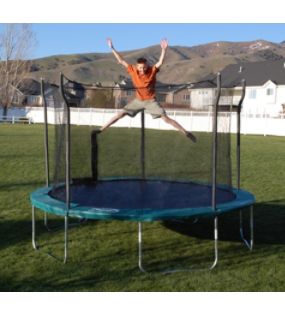
 Trampolines help your kids burn off excess energy, and they're a great weight-loss tool for adults. However, the American Academy of Pediatrics recommends that consumers avoid using trampolines because unsafe use can cause head and neck injuries, fractures, and sprains. As a homeowner, don't set up a backyard trampoline until you understand your liability.
Check Your Homeowners Insurance Policy
Trampolines are fun, but the expenses from an injury can quickly outweigh that enjoyment. Some insurance companies will not insure a home if it has a trampoline; others may cancel a policy or exclude coverage for trampoline-related injuries, leaving you personally liable.
For policy options and to compare how carriers treat trampoline exposure, see Trampolines Insurance. You can also compare options at Trampoline Insurance.
Set It Up Properly
If your homeowners policy does cover trampoline incidents, improve safety by setting it up and maintaining it correctly.
- Follow the manufacturer's instructions for assembly and use.
- If possible, use a ground-level model instead of an above-ground unit.
- Remove tree branches and other hazards nearby.
- Provide adequate padding on the springs to prevent pinching.
- Secure a safety net around the trampoline.
- Inspect the trampoline and all parts regularly for wear and tear.
Provide Constant Supervision
Guests who are injured while using your trampoline can sue you. Provide constant supervision so everyone follows safe-jumping rules: only one person at a time should jump, and no one should attempt somersaults or flips, which are major causes of spine injuries.
Fence-In Your Yard
You're liable for injuries that occur on your property, even if the jumper doesn't have permission or is trespassing. A tall fence with a self-latching gate reduces the risk of unauthorized access; for information on liability protections, review resources like Safe Berth Legal Liability. For additional liability details, see Safe Berth Legal Liability Insurance.
If you own a higher-value home, consider how specialized coverage applies and whether a standalone floater is appropriate: High Value Homeowners Stand Alone Floaters.
Your family and friends can enjoy your backyard trampoline if you reduce risks and confirm coverage. Before you install one, review your policy and ask your agent.
Frequently Asked Questions
Will my homeowners insurance automatically cover trampoline injuries?
Not always; some insurers exclude trampoline-related injuries or may cancel coverage, so check your policy language and speak with your insurer.
Are safety nets and padding enough to prevent liability?
They reduce risk but do not eliminate liability; supervision, maintenance, and proper installation are also important to lower the chance of injury.
Can I be liable if someone trespasses and is injured on my trampoline?
Yes—property owners can be liable even for injured trespassers in some situations, so security measures like fencing help reduce that risk.
How often should I inspect my trampoline for wear and tear?
Inspect it before each period of regular use and perform a thorough check seasonally, replacing worn parts promptly.