Overview
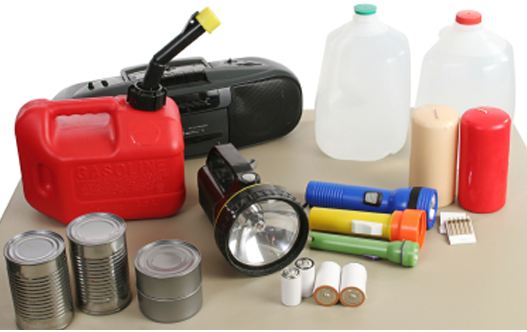 Severe weather and other sudden emergencies can force a family to shelter in place or evacuate with little notice.
Preparing a compact emergency kit helps you meet basic needs for safety, warmth, hydration and communication until help arrives or you can reach a safer location.
Key takeaways
- Store at least one gallon of water per person per day and a supply of nonperishable food.
- Include basic first aid, hygiene items, tools and copies of important papers in a waterproof bag.
- Keep batteries, a radio, flashlight and a whistle to stay informed and signal for help.
- Review financial and insurance guidance to understand recovery options after an emergency.
How it works
An emergency kit bundles the items you and your household need for several days without normal services, so you can respond quickly when a storm or other event disrupts utilities or transportation.
Rotate food, water and medications regularly, and store the kit where everyone can access it quickly. Assign responsibilities so each household member knows where the kit is and how to use key items.
What it may cover (and what it may not)
A well-stocked kit typically covers short-term needs such as water, food, warm clothing, first aid supplies and tools that let you make temporary repairs or open canned food.
A kit does not replace planning for longer disruptions, financial losses, or complex recovery actions such as filing insurance claims or safeguarding digital assets; for broader planning information see Emergency Preparedness: Safety and Financial Planning.
Common mistakes to avoid
Relying on a single small kit for a large household can leave some people without necessary supplies; prepare individual kits or clearly marked sections for each person.
Failing to check expiration dates on food, water and medications can render items unusable when needed, so inspect and refresh supplies at least twice a year.
Keeping important documents only in hard copy without an encrypted digital backup risks loss; consider secure digital copies in addition to waterproof physical storage.
Questions to ask an agent
Ask how your homeowner or renter policy handles water, wind and flood damage to understand coverage limits and exclusions.
Ask whether additional endorsements or separate policies are recommended for flood, hurricane or other region-specific perils.
Ask about the steps and documentation required to file a claim after storm damage so you can preserve evidence and speed recovery.
Next steps
Create or update your family emergency kit today, including a plan for communicating and reuniting if you are separated.
Review preparedness and insurance claim guidance for post-disaster recovery at Emergency Preparedness, Cybersecurity, and Insurance Claim Guidance.
If you want specific coverage advice, talk to an agent.
Frequently Asked Questions
How much water should I store per person?
Plan for about one gallon of water per person per day for drinking and basic hygiene, and store enough for at least several days.
What should be in a basic first aid kit?
A basic kit should include bandages, antiseptic wipes, adhesive tape, burn treatment, pain reliever and any prescription medications you need.
How often should I check and replace kit supplies?
Inspect perishable items, batteries and medications every six months and replace anything expired or used.
Where should I store important documents?
Keep physical copies in a waterproof, portable bag and maintain encrypted digital backups stored offsite or in a secure cloud service.