Overview
 If you sell a product or provide a service, you can face a lawsuit when something goes wrong or a customer feels harmed.
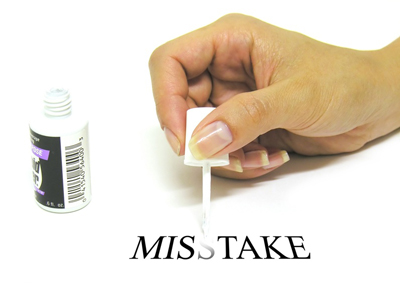
Many claims come from honest mistakes — missed deadlines, an error in a delivered product, or a misunderstanding about scope — rather than intentional wrongdoing.
Professional liability insurance (sometimes called errors and omissions) helps cover defense costs, settlements, and judgments when a client sues over the quality of your work or advice.
For a general primer on liability options and how they apply to different kinds of businesses, see Liability Insurance Overview.
Key takeaways
- Any business that provides advice, services, or products can be sued for errors or omissions.
- Professional liability policies commonly pay legal defense costs, settlements, and judgments subject to policy terms and limits.
- Coverage varies by industry and policy wording, so review exclusions and limits carefully.
How it works
A typical professional liability policy responds when a client claims the work was negligent, late, incomplete, or caused financial loss.
Policies are triggered by a written claim or lawsuit and may include coverage for investigation, court costs, negotiated settlements, and court judgments up to the policy limit.
For typical wording and examples, see Professional Liability (Errors & Omissions).
Limits, deductibles, and exclusions differ among insurers, and some policies are “claims-made,” meaning they only apply to claims reported while the policy is active.
If you represent or serve specialized organizations, you may encounter tailored products; for example, specific liability programs exist for public officials and related entities — see For-Profit Public Official Liability for an example of specialized coverage.
What it may cover (and what it may not)
What it may cover: errors in professional services, missed deadlines that cause client losses, negligent advice, and defense costs for related lawsuits.
Common exclusions: intentional illegal acts, bodily injury or property damage that are already covered by a general liability or product liability policy, and contractual penalties unless the policy specifically includes them.
Policies also vary on whether they cover alleged reputational harm or emotional-distress claims, so read the policy language and ask for examples of how similar claims have been handled.
Common mistakes to avoid
- Assuming your general liability policy covers professional errors — many do not and a gap can leave you exposed.
- Not understanding whether your policy is “claims-made” or “occurrence” based; this affects retroactive dates and tail coverage needs.
- Ignoring policy exclusions or buying limits that are too low for the size of your contracts.
- Failing to document scope, timelines, and client approvals, which weakens your defense if a dispute arises.
Questions to ask an agent
What types of claims are most common for businesses like mine, and how has the insurer handled those claims?
Is this policy written on a claims-made or occurrence basis, and if claims-made, what is the retroactive date and cost for tail coverage?
Are defense costs inside or outside the limit of liability, and what specific exclusions should I be concerned about?
Can you show examples of endorsements that add or clarify coverage, and whether specialized add-ons exist for my industry such as publishing, web services, or events?
Next steps
Compare policy limits, exclusions, and whether defense costs reduce the limit, and ask your agent for a sample policy form to review before you buy.
For coverage examples that target specific business activities, you can review tailored programs such as Publishers Liability Insurance to see how wording can differ by sector. If your business focuses on consulting, review Consulting Services Liability Insurance for relevant examples.
If you want a quick way to get proposals or to talk coverage options, talk to an agent who can compare available policies and limits for your business.
Frequently Asked Questions
Do I need professional liability if I already have general liability insurance?
Not always, but often yes: general liability typically covers bodily injury and property damage, not professional errors or negligence claims related to services or advice.
What is the difference between “claims-made” and “occurrence” policies?
Claims-made policies cover claims reported while the policy is active (sometimes needing tail coverage), while occurrence policies cover injuries or errors that occurred during the policy period regardless of when the claim is reported.
Will professional liability cover a missed deadline that costs a client money?
It can, if the missed deadline is covered by the policy language and results in a financial loss alleged to be due to professional negligence.
How do I choose the right limit of liability?
Consider the size of your contracts, potential worst-case client damages, and whether contractual requirements specify minimum insurance limits.