Overview
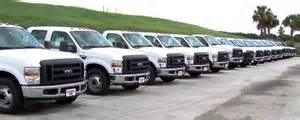 Many businesses now use telematics and in-vehicle systems to monitor driving behavior and improve fleet safety.
These systems collect data such as speed, location, hard braking, and other events that indicate risky driving.
When used correctly, telematics provide objective information that fleet managers can turn into targeted coaching and measurable safety improvements. For more on fleet coverage and how telematics fit into risk management, see Fleet Auto Insurance: Shielding Operations and Fueling Growth.
Key takeaways
- Telematics can reduce accident rates by identifying risky behaviors in real time.
- Instant driver feedback—alarms or camera alerts—helps drivers correct behavior immediately.
- Programs work best when they combine data with training and positive reinforcement.
How it works
Telematic devices are installed in vehicles to gather data from onboard sensors and GPS systems.
Data is transmitted to a central dashboard where fleet managers review events and trends.
Some systems add live alerts, in-cab cameras, or audible warnings so drivers receive immediate feedback for unsafe actions.
Managers can use reports to prioritize coaching, update training plans, and track improvements over time.
What it may cover (and what it may not)
Telematics typically captures speed, harsh braking, rapid acceleration, idling, and location history.
More advanced packages may include video recording, driver identification, and driver scorecards that support safety programs. Learn about options for automotive services and fleet coverage at Automotive Services - Fleet Auto.
Telematics does not replace good training, clear policies, or driver buy-in; it supplements those elements with objective data.
For businesses comparing coverage options and risk management resources, consider reviewing dedicated fleet insurance offerings such as Commercial Auto Insurance for Fleet Safety for how insurers treat telematics-enabled programs.
Common mistakes to avoid
Relying solely on data without follow-up coaching can breed resentment rather than improvement.
Failing to communicate privacy and use policies to drivers creates uncertainty and reduces program acceptance.
Ignoring small but consistent behaviors—such as frequent hard braking—misses opportunities to prevent larger incidents.
Questions to ask an agent
How does a telematics program affect my fleet’s insurance premiums and underwriting?
What types of telematics data does the insurer accept and how is it verified?
Are there incentives or discounts for documented safety improvements tied to telematics?
If you want tailored guidance on coverage and safety programs, a useful resource is Auto & Fleet Insurance: Safety, Coverage, Savings, Theft, which explains options for businesses that operate multiple vehicles.
Next steps
Start by identifying the top safety risks in your fleet through accident history and driver feedback.
Pilot a telematics system with a small group of vehicles to test technology, reports, and coaching workflows.
Create clear policies on data use, driver privacy, and how positive and corrective feedback will be handled.
After a pilot, evaluate outcomes, update training, and scale up systems that deliver measurable improvements.
When you are ready to review insurance implications or to discuss program design with a broker, consider asking your representative to talk to an agent who understands fleet telematics and commercial auto coverage.
Frequently Asked Questions
Do telematics systems invade driver privacy?
Telematics collect vehicle and driving data but policies can limit personal location tracking and define who may access the data.
Can telematics lower my commercial auto insurance costs?
Insurers may offer discounts for documented safety programs and improved driving records, but savings vary by carrier and program results.
Will cameras record everything inside the vehicle?
Camera policies vary; some systems focus on road-facing recording while others include in-cab views, and recording rules should be transparent to drivers.
How long does it take to see safety improvements?
Many fleets see measurable changes within a few months when data is combined with coaching and positive reinforcement.