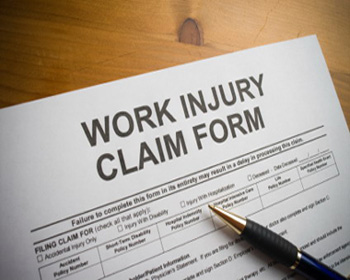
 Understanding Workers Compensation and Fraud is a widespread and serious problem that’s not only illegal but also drives higher insurance premiums for businesses.
According to industry experts, comp-related scams often show one or more of the following warning signs. No single sign proves fraud, but two or more should prompt closer review and could lead to an investigation of the claim.
Common warning signs
- Monday morning report of injury. The alleged injury happens first thing Monday or late Friday but isn’t reported until Monday.
- Change in employment status. The reported accident occurs immediately before or after a strike, termination, layoff, end of a major project, or the conclusion of seasonal work.
- Suspicious providers. The claimant’s medical provider or legal consultant has a history of handling questionable claims.
- Lack of witnesses. No one else saw the accident, or the employee’s description doesn’t support the claimed cause of injury.
- Conflicting descriptions. The employee’s account of the accident doesn’t match medical records or the injury report.
- History of claims. The employee has filed multiple questionable or litigated claims.
- Refusal of treatment. The claimant declines diagnostic procedures that would confirm the injury’s nature or extent.
- Late reporting. The employee delays reporting the incident without a reasonable explanation.
- Elusiveness. The allegedly disabled employee is hard to reach for follow-up.
- Instability. The claimant frequently changes physicians, addresses, or jobs.
If one of your workers files a claim that shows several of these warning signs, document what you know, preserve relevant records, and notify your insurer or claims administrator so they can begin an investigation.
For additional background, see Wire Transfer Fraud (Crime) Insurance and Lettering and Sign Painting Services Insurance for related risk-management topics.
We’ll work with you and your workers' compensation insurer to check it out. For guidance on preventing and investigating questionable claims, see Workers Compensation Fraud and Employee Wellness.
If you prefer immediate assistance, you can also talk to an agent.
Frequently Asked Questions
What should I do right away if I suspect a fraudulent workers' compensation claim?
Document what you know, preserve any relevant records, and notify your insurer or claims administrator so they can start an investigation.
Can an employer investigate a claim on their own?
Employers can collect basic factual information and report concerns to their insurer, but formal investigations are typically handled by claims professionals or private investigators.
Which red flags are most common?
Delayed reporting, inconsistent statements, and claims that coincide with job changes or layoffs are among the most frequent warning signs.
Will reporting a suspected fraudulent claim harm an employee with a legitimate injury?
Reporting concerns triggers an appropriate review; if the investigation confirms a valid injury, the claimant should not be penalized.