Overview
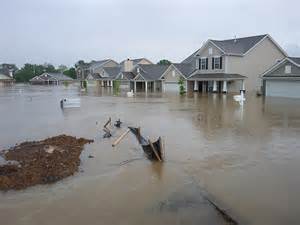 Flooding can damage homes and belongings even in locations that are not near rivers or coasts.
Standard homeowners and renters insurance policies usually do not include flood coverage, so a separate policy is often needed to protect your property and possessions.
This article explains the basics of flood insurance, when it makes sense to buy it, and practical next steps you can take.
Key takeaways
- Flood coverage is separate from standard homeowners or renters insurance and may be required by lenders.
- Even low-risk areas can experience costly flood damage from storms, overflow, or sewer backup.
- Renters and owners alike should consider coverage for personal property and loss of use.
How it works
Flood insurance is a standalone policy that pays for damage caused by rising water, overland flooding, or storm surge, depending on the policy terms.
Policies vary by insurer and program, so limits, deductibles, and covered perils differ; review the policy details before buying.
There is often a waiting period from purchase to when coverage takes effect, so plan ahead if you expect exposure to flooding.
What it may cover (and what it may not)
Flood insurance typically covers structural damage to the building and selected contents up to policy limits, but not all items are included.
Commonly covered items include appliances, furniture, and some personal belongings, while certain valuables or landscaping may be excluded or require separate limits.
Standard policies may not cover sewer or sump pump failure unless specified, so read exclusions and ask about endorsements that expand coverage.
Common mistakes to avoid
Assuming your homeowners or renters policy covers flooding is a frequent and costly mistake; verify exclusions before a storm season.
Waiting until a flood is likely can leave you unprotected because many policies have a waiting period before they take effect.
Buying the cheapest policy without confirming limits for contents and building replacement cost may result in insufficient payout after a loss.
Questions to ask an agent
Ask what perils and property types are covered, whether contents are included, and how claims are valued.
Clarify waiting periods, deductible options, and whether additional endorsements are available for items you own.
Find out if a policy is required by your mortgage lender and what proof of coverage they will accept; if you want a policy quote or to start a purchase, you can talk to an agent.
Next steps
Check flood risk for your address and consider likely causes such as heavy rain, river overflow, or storm surge when making your decision.
Compare policy options and limits from different sources and review third-party guidance to understand common coverage gaps.
For general explanations of available products and common homeowner concerns, see Flood Insurance Overview.
If you rent, review options specifically designed for tenants and contents coverage at Renters Flood Insurance.
To understand policy types intended for personal homeowners markets, read Flood Insurance Personal Lines.
Frequently Asked Questions
Do I need flood insurance if I don't live in a designated flood zone?
Yes, many damaging floods occur outside mapped flood zones, and coverage can be more affordable in lower-risk areas.
Will my landlord's insurance cover my belongings?
No, landlord policies generally cover the building but not a tenant's personal possessions, so renters should consider their own policy.
How soon does flood insurance start after I buy it?
Most policies have a waiting period before they become effective, so purchase in advance of predictable seasonal risks.
Can flood insurance cover temporary living expenses after a flood?
Some policies include coverage for additional living expenses if your home is uninhabitable, but limits and conditions vary.