Overview
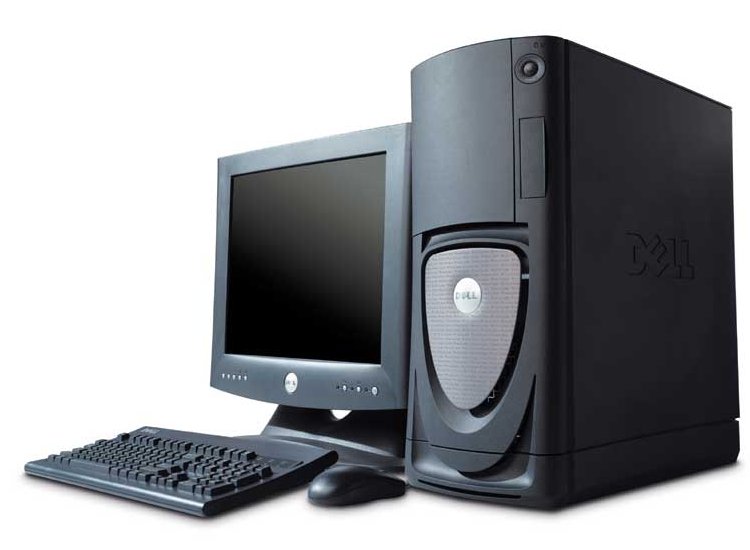 You already take sensible steps to protect your home or business: locking doors, storing valuables, and running routine computer backups. This guide explains why regular testing and simple procedures matter, and how to turn protective habits into a reliable risk-management routine.
For targeted resources on insurance and safety products, see Insurance & safety: home security, travel, online presence, PPE.
Key takeaways
- Regular testing is as important as installing protective devices.
- Create simple checklists and document tests so failures are discovered quickly.
- Combine practical testing with insurance and risk-management advice.
How it works
Protective measures only reduce risk when they function as intended. That means verifying alarms, locks, safes, and electronic backups on a scheduled basis rather than assuming they work.
For electronic systems, test restorations from backups periodically rather than only saving files. A routine restore check catches failed writes, corrupted archives, or misconfigured backup targets before a crisis.
Physical systems need simple functional tests: trigger the alarm (following the supplier’s testing instructions), confirm safe locks engage fully, and walk through closing procedures with staff. Formalizing these steps prevents reliance on memory alone.
For broader business considerations and policy options, consult Business insurance: security, travel, and online presence.
What it may cover (and what it may not)
Insurance can reimburse losses from theft, fire, or equipment failure, but coverage usually does not replace the value of prevention. Many claims are smaller or avoided entirely when devices and processes are maintained.
Policies vary on data-loss incidents and business interruption caused by preventable failures, so document your testing and maintenance activities to support any future claim.
Common mistakes to avoid
- Assuming backups are valid without doing periodic restore tests.
- Skipping alarm or sensor tests because they are inconvenient.
- Relying on a single person to secure the premises — there should be a written checklist everyone follows.
- Neglecting to record maintenance, tests, and the results for later review or insurer inquiries.
Questions to ask an agent
Which specific events are covered by my policy and what documentation is required if I make a claim?
Does my coverage include business interruption or data recovery expenses after a systems failure?
Are there recommended security upgrades or maintenance practices that could lower my premium or reduce claim denials?
Next steps
Create short, dated checklists for daily, weekly, and monthly tasks that include: testing one backup restore per month, confirming alarm communications, and verifying safe locks and lighting. Keep completed checklists in a shared folder or binder.
Train employees on closing procedures and require sign-off so responsibilities are clear evening to evening. Consider linking maintenance records to warranty or service schedules for devices.
For guidance on protecting workplace electronics and implementing device policies, review Managing Electronic Devices in the Workplace. When you need help reviewing policies or next steps, talk to an agent who can align your practices with coverages.
Frequently Asked Questions
How often should I test my backups?
Test at least monthly by restoring a representative file set; critical systems may require more frequent checks.
What should an end-of-day checklist include?
Include locking procedures, alarm arming, safe verification, and confirmation that backups started successfully.
Can routine testing affect my insurance claim?
Yes—documented testing and maintenance can support a claim and demonstrate prudent risk management.
Who should be responsible for running tests?
Assign primary and secondary staff members and require written sign-offs to avoid single-point failures.