Overview
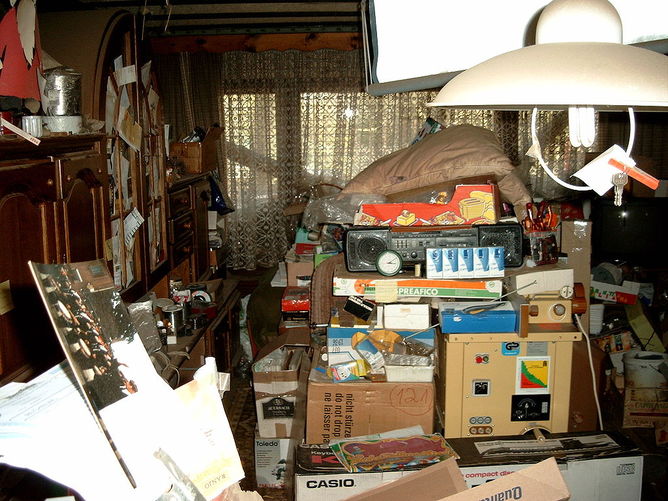 Hoarding is a behavioral health condition that can leave rooms unusable and create safety hazards in a home. Beyond the personal and health impacts, excessive clutter increases the likelihood of property damage, pest infestations, and fire—each of which can affect how insurers view and price a policy.
This article explains common insurance consequences of hoarding and practical steps homeowners can take to reduce risk and protect coverage.
Key takeaways
- Hoarding can raise fire, mold, and pest risks that insurers treat as maintenance or neglect issues.
- Insurers may require cleanup, increase premiums, or cancel policies if hazards persist.
- Taking targeted cleanup and documenting repairs can help restore coverage and limit rate increases.
How it works
Insurers assess property risk through phone screening, claims history reviews, or on-site inspections. If an inspection identifies hazards—blocked exits, combustible clutter near heat sources, visible mold, or signs of infestation—the company typically notifies the homeowner and sets a deadline for corrective action.
If the hazards are not addressed within the required period, an insurer may raise premiums, add exclusions, decline renewal, or cancel the policy. In some cases, a homeowner can restore full coverage after completing repairs, inspections, and ongoing maintenance steps. For properties with unusual risks, consider Hazardous Occupancies Property Insurance.
If many personal items are at risk or difficult to inventory, consider reviewing coverage options such as Miscellaneous Home Furnishings Insurance to ensure valuables and household contents are properly covered during cleanup or remediation.
What it may cover (and what it may not)
Typical Home Insurance policies cover sudden, accidental losses like fire or water damage from a burst pipe. When damage is directly caused by a covered peril, the policy may pay to repair the structure and replace covered contents.
Insurers commonly exclude losses that stem from ongoing neglect. Problems caused by long-term mold growth, chronic pest infestation, or failure to maintain required safety clearances may be denied if the insurer classifies them as preventable maintenance issues.
Common mistakes to avoid
- Waiting to act after receiving an inspector's notice—delays can lead to cancellation or larger claims issues.
- Attempting cleanup without documenting the before-and-after condition, which can complicate future claims or reinstatement requests.
- Assuming all possessions are automatically covered—some high-value or unusual items may need additional endorsements or separate policies.
Questions to ask an agent
Ask what specific hazards the insurer will consider grounds for nonrenewal or cancellation and which remediation steps will satisfy them.
Request guidance on documenting cleanup and repairs so evidence is available if coverage questions arise. If your property is part of an association, review the Homeowners Association (HOA) Insurance Overview to understand shared-responsibility issues.
Discuss whether any endorsements or supplemental policies are recommended for contents or specialized property exposures, and whether temporary living expense coverage applies during major remediation.
Next steps
Start by addressing immediate safety hazards: clear exit routes, remove clutter from around heating sources and electrical outlets, and remediate visible mold or pest problems.
Keep dated photos and receipts that show cleanup, professional remediation, or repairs. This documentation can help when communicating with your insurer or when you need to request reinstatement of coverage.
If you plan to rent part of your property or participate in short-term hosting, consider how that activity affects your coverage and review options such as Homestays Insurance for Short-Term Rentals before you proceed.
For help exploring options or policy changes, you can talk to an agent to review your situation and next steps.
Frequently Asked Questions
Will my insurer cancel my policy if I have a hoarding-related claim?
Insurers may cancel or decline renewal if they determine hazards result from neglect, but they often give a chance to remediate hazards first.
Does homeowners insurance cover damage caused by pests or rodents?
Most policies exclude damage from long-term pest or rodent infestations that result from neglect, though sudden damage from a covered peril may be considered.
How should I document cleanup to satisfy an insurer?
Take dated photos before and after cleanup, keep receipts for professional services, and obtain written inspection or remediation reports when possible.
Can professional remediation affect my premiums?
Completing recommended remediation can prevent cancellations and may reduce the chance of significant rate increases, though insurers may still adjust premiums based on overall risk.