Overview
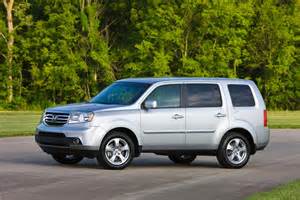
Choosing a vehicle is about more than looks or performance. Your choice also affects how much you pay for insurance. Insurers consider factors such as crash risk, liability potential, theft likelihood, safety features, vehicle age and replacement cost when they price policies.
Key takeaways
- Sports and high-performance cars typically cost more to insure because of higher accident and citation rates.
- Larger vehicles can increase liability exposure, which often raises premiums.
- Safety features and higher crash-test ratings generally lower insurance costs.
- Older, lower-value cars often have cheaper comprehensive and collision coverage costs.
How it works
Insurers use vehicle characteristics as proxies for risk. A model associated with aggressive driving or higher speeds will usually attract higher rates; similarly, vehicles that are expensive to repair or replace push premiums up.
Rating factors also include the likelihood a model will be stolen and the estimated cost to fix crash damage. For business owners or fleets, different underwriting rules may apply — see Commercial Auto Insurance (Business Auto Insurance) for more on business-specific coverages and considerations.
For an organized overview of how insurers evaluate vehicles and related coverage topics, see Auto Insurance Topics Overview.
What it may cover (and what it may not)
When you buy an auto policy, common coverages include liability (bodily injury and property damage), collision, comprehensive, and uninsured/underinsured motorist protection.
Liability limits determine how much you or your insurer must pay if you damage others, and higher limits mean higher premiums.
Not every loss is covered automatically—wear-and-tear, mechanical breakdowns, and routine maintenance are not covered by auto insurance. Keeping a vehicle well-maintained can reduce certain risks and may help lower rates; for practical upkeep tips that also affect insurance costs, review Vehicle Maintenance and Insurance Tips.
Common mistakes to avoid
Buying a high-performance or luxury model without checking insurance costs is a common error; sticker price is only part of the total ownership cost.
Similarly, assuming that all SUVs are cheaper to insure can be misleading—size reduces rollover risk for occupants but often increases liability for others.
Another mistake is not comparing coverage options and deductibles. Choosing a deductible that’s too low can raise premiums, while selecting one you can’t afford could leave you in a difficult spot after a claim.
Questions to ask an agent
- How does this specific make and model affect my premium and available discounts?
- What safety features or anti-theft options will lower my rates?
- How will choosing higher liability limits change my price?
- Are there discounts for bundling multiple policies or for safe driving records?
Next steps
Before you buy, get insurance quotes for the exact trim and packages you’re considering so you can compare total ownership costs.
Ask about available discounts tied to safety equipment, low mileage, or driver training, and factor those into your decision. If the vehicle will be used for transport services, consider reading about specialized coverage at Auto Transportation Insurance.
If you want specific pricing or to compare options, talk to your agent and request model-specific quotes and coverage explanations.
Frequently Asked Questions
Will a safety rating actually lower my insurance premium?
Yes. Vehicles with higher crash-test ratings and modern safety systems often qualify for lower premiums because they reduce the likelihood or severity of injury-related claims.
Does the vehicle’s age always mean cheaper insurance?
Generally older cars cost less to insure for collision and comprehensive because their replacement value is lower, but this can vary if the car lacks safety features or is a theft target.
How does theft risk affect my policy?
Higher theft rates for certain models can increase comprehensive premiums and may lead insurers to raise deductibles for theft-related claims.
Can safety upgrades reduce my premium?
Installing certified safety or anti-theft devices can qualify you for discounts, but you should confirm with your insurer which upgrades they recognize.