Overview
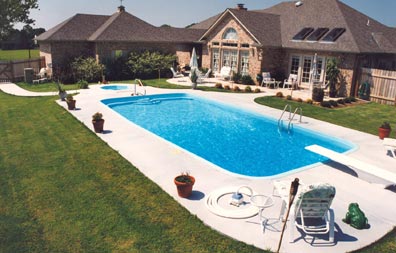 A backyard pool can add hours of recreation and value to your home, but it also changes your insurance profile. Pools raise the risk of injury and can be treated as structures that need separate coverage. Understanding the common insurance responses to pools helps you plan before installation or update your policy after one is added.
Key takeaways
- Homeowners liability normally covers injuries in your pool, but limits must be sufficient.
- Pools are often treated as related structures for property coverage; maintenance is usually excluded.
- Insurers commonly require safety measures such as a fenced, self-latching gate.
- An umbrella policy can provide extra liability protection above your homeowners limits.
How it works
Two different parts of insurance matter for pools: personal liability and property-related coverage. Liability pays third-party medical or legal costs if someone is injured while using your pool; property coverage can help repair or replace the pool if it is damaged by a covered peril.
Insurers may list an in-ground pool as a "related structure" similar to a detached garage or shed, which affects the amount of coverage available and any sublimits that apply. For a concise overview of policy options and where to look for specialized coverage, see Swimming Insurance.
What it may cover (and what it may not)
Liability coverage typically applies when a guest is injured using your pool, including medical payments and legal defense if sued. Confirm the liability limit on your homeowners policy and consider raising it when you install a pool.
Property coverage for an in-ground pool is possible under the related structures portion of the policy, but many policies exclude normal maintenance, wear and tear, and some types of equipment failure. Additionally, certain accessories such as diving boards or slides may be excluded or restricted.
- Commonly covered: accidental injury to a guest (up to your liability limit), pool damage from covered perils (under related-structure limits).
- Commonly not covered: routine maintenance, damage from freezing if not winterized properly, and accidents involving excluded accessories like an uncovered dive board if specifically barred.
Common mistakes to avoid
- Failing to update liability limits after installing a pool; many homeowners keep default limits that are too low for pool-related claims.
- Assuming property coverage will pay for maintenance or equipment replacement—read exclusions carefully.
- Not installing required safety features such as a fence with a self-latching gate, which can void coverage or increase premiums.
- Installing a diving board or slide without checking whether the insurer excludes accidents related to those accessories.
Questions to ask an agent
- How much personal liability coverage do you recommend for a home with a pool?
- Will my pool be classified as a related structure and what limits apply?
- Are diving boards, slides, or pool covers excluded or restricted?
- Do you require specific fencing or safety features for coverage to apply?
- Would an umbrella policy be appropriate for extra liability protection?
Next steps
Before you install a pool or if you already have one, review your policy declarations and speak with your insurer about any specific requirements or exclusions. Confirm the liability limit, related-structure limits, and whether any accessories are excluded.
Ask about required safety measures and document them—photos of a fence or a self-latching gate can help. For additional guidance on regional safety and how insurers treat seasonal differences, see Summer Pool Safety and Insurance Considerations.
If you want to update coverage or explore increased liability through an umbrella policy, consider contacting your provider or talk to an agent to review options and limits specific to your situation.
Frequently Asked Questions
Will my homeowners insurance cover injuries in my pool?
Yes, personal liability on a homeowners policy typically covers guest injuries, but you should confirm that your liability limits are high enough for pool-related claims.
Does homeowners insurance pay to repair my in-ground pool?
Property coverage may pay if the pool is listed as a related structure and the damage is from a covered peril, but routine maintenance and wear are usually excluded.
Do I need a fence to keep my pool covered?
Many insurers require a fence with a self-latching gate as a condition of coverage or to qualify for lower premiums, so check your policy or ask your agent.
Should I buy an umbrella policy if I have a pool?
An umbrella policy provides extra liability protection above your homeowners limits and is commonly recommended for pool owners concerned about large liability claims.