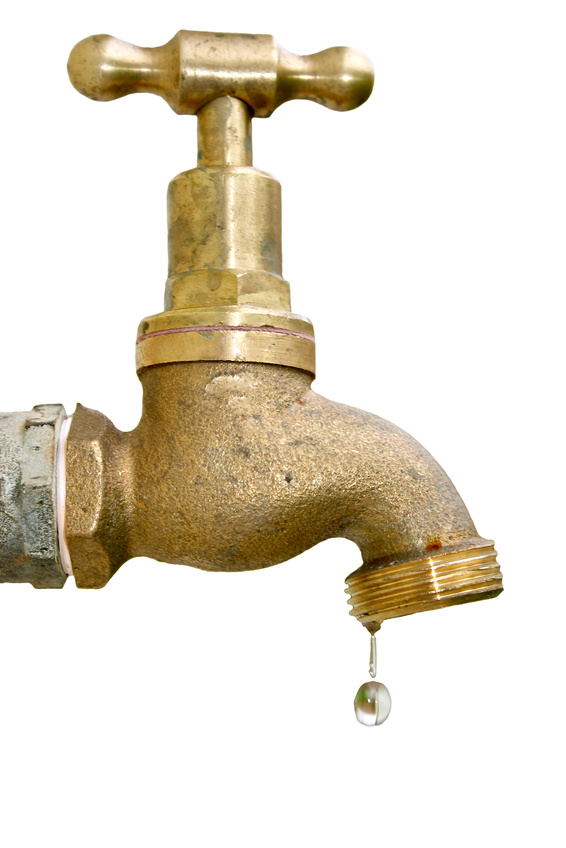
Of all Homeowners insurance losses, those from water damage are among the most common. Many people often don't consider the potential risks in their own homes until it's too late.
For more on homeowner responsibilities, see Understanding Homeowners Insurance and Responsibilities.
To minimize hazards that can cause water damage claims, we'd like to recommend these steps:
- Check for leaks. Periodically inspect the area around the refrigerator, washer, dishwasher, water heater, sinks, and toilets for drips, puddles, and discolored, warped, or soft flooring.
- Pay attention to your water bill. Monthly fluctuations could indicate a leak.
- Periodically check your water pressure. Water losses often occur due to excessive water pressure. Buy a pressure gauge at your local hardware store, and hook it up to a hose bib. If it's above 65 psi, install a water pressure regulator.
- Before you go on vacation, take precautions. If temperatures in your area could dip below freezing, make sure that any exposed pipes are insulated, turn off the water supply to individual fixtures, and turn your furnace to low so that the pipes will stay warm enough to avoid bursting.
If you need to file a claim, follow these guidelines:
- Stop the source of the water by turning off the water main.
- Call your insurance company immediately. Most companies have staff 24/7 to help you set appointments with contractors who can dry out your house. Your insurer will also send an adjuster to assess the damage.
- Don't start any major repair efforts until the adjuster has been to your home!
- Determine what was lost and document it. Even if things were ruined, don't throw them away. Keep pieces of the damaged floor or ceiling, along with any valuable personal property, such as electronics or furniture. At a minimum, take photos or video of the damage.
If you live in a high-risk area, consider The Importance of Flood Insurance. For more information, talk to an agent.
Frequently Asked Questions
What should I do immediately after discovering water damage?
Stop the source if possible, turn off the water main, photograph the damage, and contact your insurer to report the claim.
Will my homeowners policy cover water damage from a burst pipe?
Many policies cover sudden and accidental water damage from burst pipes, but coverage can vary, so check your policy or ask your agent.
How should I document damaged belongings?
Take clear photos or video, keep damaged items if possible, and make a detailed list of losses with approximate purchase dates and values.
How can I reduce the risk of frozen pipes while away?
Insulate exposed pipes, shut off water to individual fixtures if possible, and set the thermostat to a low but safe temperature to keep pipes from freezing.