Overview
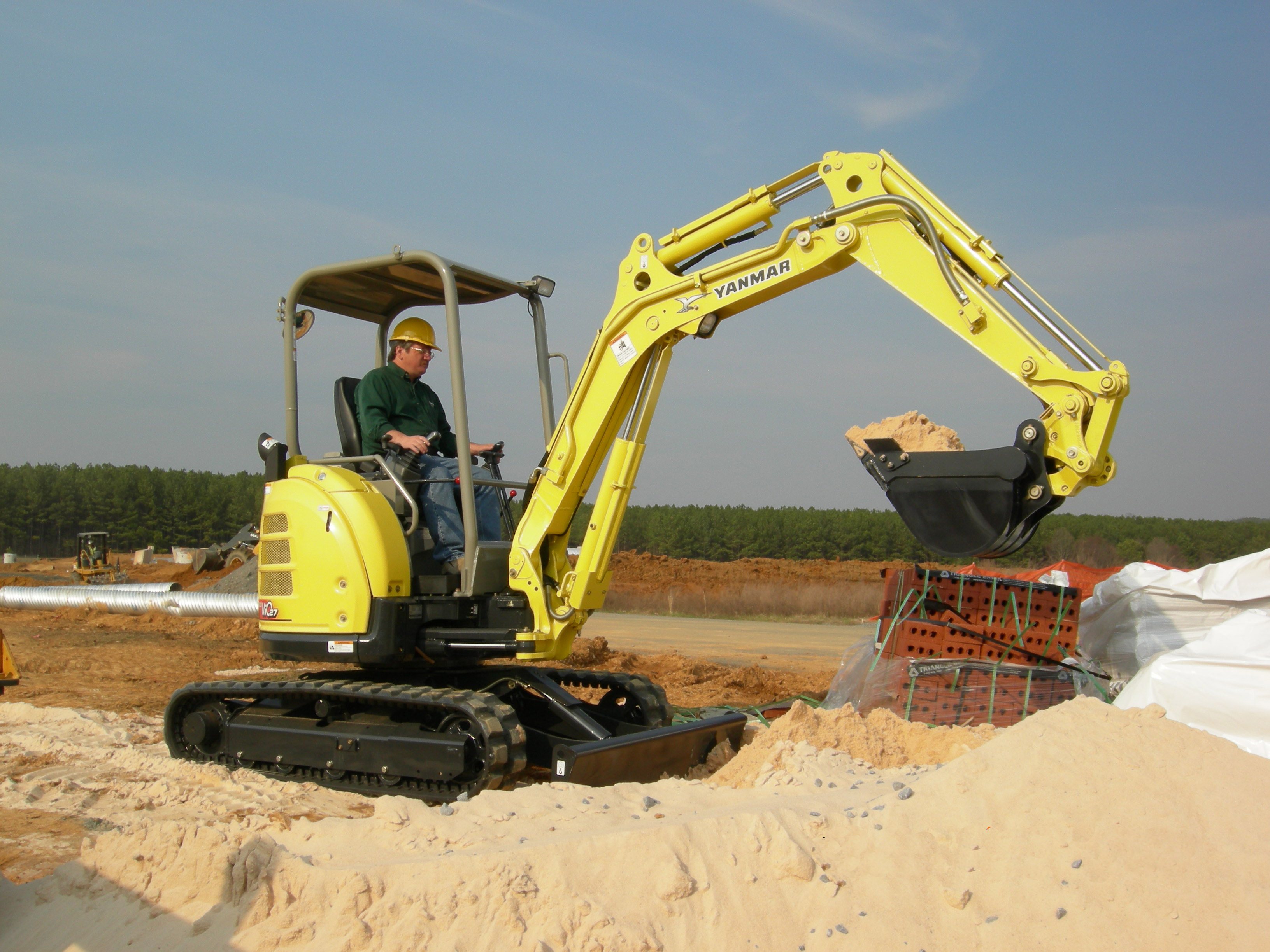 Equipment Breakdown insurance helps businesses recover when essential electrical or mechanical systems fail unexpectedly. This coverage addresses the cost to repair or replace damaged equipment, the expense of getting systems back online quickly, and the income lost while operations are interrupted.
Many small businesses assume standard property insurance will cover all losses, but equipment breakdown losses can be different in cause and cost. Understanding typical exclusions, limits, and available endorsements can reduce the risk of a large, unplanned expense.
Key takeaways
- Equipment Breakdown coverage pays for repair or replacement of covered equipment after a sudden failure.
- Policies may also cover expedited repairs, disposal costs, and business income lost during downtime.
- Coverage options vary—some businesses need a standalone policy while others add it to commercial property insurance.
How it works
When covered equipment fails from a sudden mechanical or electrical breakdown, the policy typically pays to restore or replace that equipment subject to policy limits and deductibles. Covered losses often include failures caused by internal electrical faults, mechanical failures, pressure systems, and some types of power surges.
Insurers may offer loss-control services such as on-site inspections or infrared scanning to identify maintenance needs and reduce future breakdown risk. For more detail on specialized inspection services and related topics, see Insurance topics: equipment breakdown, construction equipment, off-premises property, and cold stress.
What it may cover (and what it may not)
Typical coverages include repair or replacement costs for damaged equipment, expenses to expedite restoration, disposal and recycling of old equipment, and business income for partial or total interruption. Some policies also offer coverage for data restoration or spoilage of temperature-controlled goods.
Common exclusions or limits may apply to wear-and-tear, gradual deterioration, poor maintenance, and preexisting defects. Electrical interruptions originating off-premises, certain software failures, or losses caused by intentionally withheld maintenance are frequently excluded or require endorsements for coverage.
Common mistakes to avoid
Assuming basic property insurance automatically covers all equipment failures is a frequent error; verify whether your policy includes equipment breakdown or if a separate policy is needed. Another mistake is failing to regularly maintain equipment—many claims are denied or reduced when neglect is documented.
Also avoid underinsuring valuable systems: list critical equipment, estimate replacement costs accurately, and review limits and sublimits so you won’t face large out-of-pocket expenses after a loss.
Questions to ask an agent
Ask what types of breakdowns are covered and which are excluded, including examples of covered causes. Request details about limits, sublimits, and deductibles specific to major systems such as HVAC, boilers, electrical switchgear, and computer servers.
Inquire whether the insurer provides preventive services like inspections or infrared scanning, and whether the policy includes extra expense or business income coverage for downtime.
Next steps
Inventory the equipment that keeps your operation running and estimate replacement or repair costs for each item. Compare whether a standalone Equipment Breakdown policy or a property endorsement best fits your needs and budget.
For additional guidance on equipment-related coverage options, see Understanding Insurance Coverage for Equipment Damage and consider resources such as Equipment insurance for sports if you have specialized assets.
If you want to review options with a licensed professional, you can talk to an agent who can tailor policy limits and endorsements to your operation’s needs.
Frequently Asked Questions
What counts as an equipment breakdown?
A sudden and accidental mechanical or electrical failure of covered equipment, such as motor burnout, compressor failure, or electrical short circuits, typically qualifies as a breakdown.
Will my ordinary property policy pay for equipment failure?
Some commercial property policies include limited equipment breakdown coverage, but many require a separate endorsement or standalone policy for full protection.
Does equipment breakdown insurance cover loss of income?
Yes, many policies include business income or extra expense coverage when a covered breakdown causes interruption, subject to the policy’s terms and waiting periods.
How can I reduce the chance of a denied claim?
Keep regular maintenance records, follow manufacturer recommendations, and promptly address identified hazards to support a claim and avoid denial for neglect.