Overview
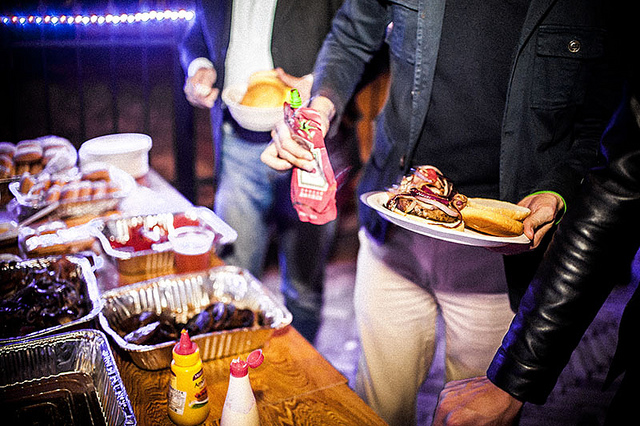 Hosting a backyard or home party can be fun, but serving alcohol carries responsibilities and potential liability.
This guide explains how social host liability works, how to reduce your risk, and what to check in your homeowner insurance so a party doesn't put your assets at risk.
Key takeaways
- As a host, you may be legally responsible if an intoxicated guest injures others or causes damage.
- Take steps at the party—such as limiting drinks and providing sober transportation—to reduce risk.
- Review your homeowners insurance and consider adding social hosting coverage if needed.
How it works
Social host liability laws vary by state and municipality, but the basic idea is consistent: a host who provides alcohol or allows excessive drinking may face civil liability for harms caused by intoxicated guests.
Liability can arise from both actions during the event and from failures to act afterward, such as allowing a visibly impaired guest to drive home.
For examples of how liquor liability is applied in different settings and the types of policies that address it, see Night Clubs Liquor Liability and review broader guides at Insurance & Safety Guides: Host Liquor Liability, Homebuying, Walking Shoes, Winter Worker Safety.
Other examples include Smoke Shop Property Liability Insurance and Bowling Alleys Liquor Liability Insurance.
What it may cover (and what it may not)
Homeowners insurance sometimes includes liability that covers injuries or property damage a guest causes while at your home, and a policy can be extended or chosen to specifically address social hosting situations.
However, not every policy covers every situation: deliberate unlawful acts, commercial sales of alcohol without proper licensing, or criminal conduct by a guest are often excluded.
Read your policy language or consult an insurance professional to understand limits, exclusions, and whether an umbrella policy is appropriate to increase protection.
Common mistakes to avoid
- Assuming your policy will automatically cover every claim involving alcohol—confirm coverage and limits in advance.
- Serving alcohol to minors or leaving unattended access to alcoholic beverages during teen gatherings.
- Allowing or encouraging excessive drinking, including drinking games, without supervision or plans for safe transportation.
- Failing to intervene when a guest is clearly intoxicated and likely to drive.
Questions to ask an agent
What specific social host or host liquor liability coverage is included in my homeowners policy and what are the dollar limits?
Are there common exclusions I should be aware of, such as incidents involving minors or alcohol-related criminal acts?
Would adding an umbrella liability policy increase my protection for social hosting incidents, and how would that change my premiums?
Next steps
Before your next gathering, set clear house rules: limit servings, avoid drinking games, and identify a sober host or designated driver to monitor guests.
Check your insurance declarations page and policy language to confirm liability limits and exclusions, and if you want assistance, talk to an agent about adjusting coverage or adding an umbrella policy.
When minors are present, make a strict plan to prevent access to alcohol and supervise closely to avoid legal penalties and safety risks.
Frequently Asked Questions
Can I be sued if a guest leaves my party and causes a car crash?
Yes; in many places a host can face civil liability if a visibly intoxicated guest injures others after leaving a party you hosted.
Is serving alcohol to a minor always illegal for a private host?
State laws vary, but serving alcohol to minors is commonly prohibited and can result in fines, criminal charges, or civil liability.
Will my homeowners insurance cover a lawsuit related to an intoxicated guest?
Some homeowners policies provide personal liability protection that may cover such lawsuits, but coverage limits and exclusions differ by policy.
What should I do if a guest is too drunk to drive?
Arrange safe transportation, provide a place for them to sleep, or otherwise prevent them from driving to reduce risk and potential liability.