Fall's cooler temperatures are a welcome relief after summer's scorching days, but lower temperatures can also increase workplace fire hazards. Business owners should assess their fire risk and take practical steps to prevent a disaster.
Employers
Some workplace areas and items pose a fire hazard. It is the responsibility of business owners to inspect these areas regularly and consider protections such as Fire Sprinkler Insurance where appropriate.
Flammable materials
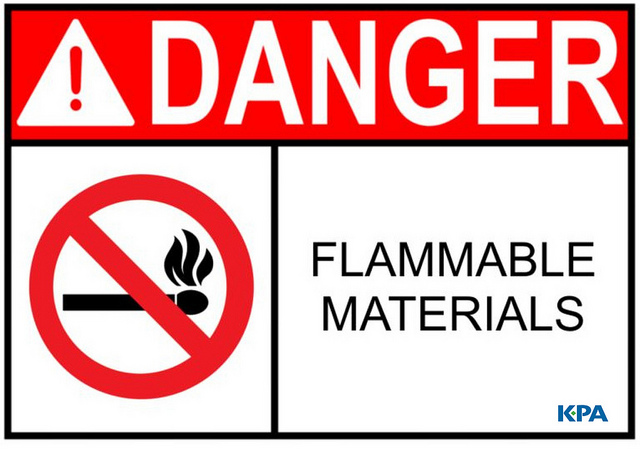
Flammable Materials – Employers must regularly examine areas that contain flammable items such as fuel, chemicals, wood, packing materials and even flour or sugar. These storage areas should be kept free of ignition sources like unsecured electrical equipment or portable heaters.
Sources of ignition
Employees
Employees can introduce risks through personal items and behaviors, so employers should set clear rules and provide training, including having an accessible Fire Safety and Evacuation Plan and enforcing it consistently.
Space heaters
Space Heaters – Employee-supplied space heaters are a common hazard. Older or poorly maintained units can overheat or spark, and heaters placed too close to paper, trash, or other combustibles increase fire risk. Employers may ban personal heaters or provide approved units with clear usage rules and regular maintenance.
Smoking paraphernalia
Smoking Paraphernalia – Even where smoking is prohibited, employees may keep cigarettes, matches or lighters in lockers or on their person. These items can ignite if exposed to heat or accidentally used; businesses should establish and enforce rules prohibiting such items on the premises.
If you need help reviewing workplace policies or coverage, you can talk to an agent to discuss options and next steps.
Frequently Asked Questions
What are the most common workplace fire hazards in cooler months?
Common hazards include space heaters, increased use of heating equipment, stored flammable materials, and improper disposal of smoking materials.
How often should heating systems and ignition sources be inspected?
Heating systems and other ignition sources should be inspected at least annually and after any repair or unusual operation to ensure safe performance.
Can employers prohibit employees from bringing space heaters?
Yes, employers can set safety policies that prohibit personal space heaters and instead provide approved, maintained heating if needed.
What are quick steps to reduce fire risk at work?
Regular housekeeping to remove combustibles, scheduled maintenance of heating and equipment, clear no-smoking policies, and employee training all help reduce risk.