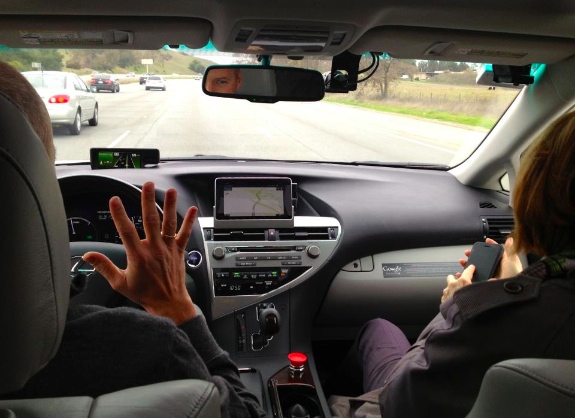
 Did you know that the average work-related car crash costs $74,000? That estimate includes medical bills and time off from work but does not account for the emotional impact on the worker, their family, or the employer.
If you drive as part of your job, or you employ people who must drive for work, the following tips can help reduce crash risk and keep everyone safer on the road.
Focus on Driving
Each time you are behind the wheel, the most important task is keeping your focus. If your work includes driving or operating heavy equipment, focus is even more important. Actions like taking a sip of coffee, eating, or adjusting the radio steal attention long enough to cause a crash.
Stay Alert
In addition to staying focused, you must stay alert. Many drivers admit to driving while drowsy, and some have fallen asleep behind the wheel. Drowsy driving is especially dangerous for long-distance truckers, delivery drivers, and other workers who spend many hours on the road.
If you become sleepy, pull off and take a short nap; if it happens often, discuss a schedule change with your employer.
Do Not Use Your Cell Phone
Cell phones and driving do not mix. Phone use contributes to many crashes, injuries, and deaths each year. For guidance on employer responsibility and texting laws, see Texting While Driving — Safety and Employer Responsibility.
Recognize Impaired Drivers
Impaired drivers—whether sleepy, intoxicated, or under the influence of drugs—often show the same behavior: varying speeds, weaving, or sudden slowdowns. If you see someone driving like this, keep your distance.
When it is safe, pull off the road and call the police; that action can prevent injuries or worse.
Use a Global Positioning Device (GPS)
Use a GPS with voice navigation to reduce the temptation to read maps while driving. For businesses that rely heavily on commercial drivers, additional safety and insurance considerations are available at Insurance and Safety Considerations for Trucking and Local Businesses.
Use these tips and travel safe!
Frequently Asked Questions
How can employers reduce driving-related risks for workers?
Employers can implement policies banning hand-held phone use, schedule adequate rest breaks, and provide driver safety training to lower crash risk.
What should I do if I feel drowsy while driving for work?
If you feel drowsy, safely pull over and rest; do not try to push through a long drive while sleepy.
Are hands-free devices safe to use while driving?
Hands-free devices may reduce manual distractions but can still impair attention; the safest option is to avoid phone conversations while driving.
What immediate steps should I take if I encounter an impaired driver?
Keep a safe distance, do not try to pass, and contact law enforcement when you can safely provide details about the vehicle and location.