Overview
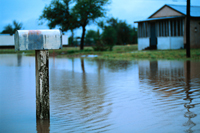
Floods are a common and fast-moving hazard that can create dangerous driving conditions and severe vehicle damage. Many flood-related fatalities involve drivers trapped in vehicles or swept away by moving water.
This guide explains practical steps to stay safe in heavy rain or flash floods and summarizes how common auto coverages respond to flood events. It is written for general consumer information and not as legal or insurance advice.
Key takeaways
- Do not drive through standing or moving floodwater; one foot of water can float many vehicles.
- Comprehensive insurance typically covers flood and natural-event loss to a vehicle, while collision covers crashes during storm-related incidents.
- Have a simple escape plan for your vehicle and know when to abandon it to reach higher ground safely.
How it works
Flooding can damage a vehicle in two main ways: water intrusion and collision. Water intrusion can ruin electrical systems, engines, and interiors, while loss of control or poor visibility can cause collisions with other vehicles or fixed objects.
Standard auto policies separate named coverages: comprehensive typically reimburses for non-collision events such as flood, hail, or vandalism; collision covers accidents involving impact with another vehicle or object.
For an overview of vehicle maintenance and insurance considerations that affect recovery after a flood, see Vehicle Insurance and Maintenance Tips.
What it may cover (and what it may not)
Comprehensive coverage usually pays for damage caused by floodwater up to the vehicle’s actual cash value less the deductible. This can include engine and electrical repairs when the cause is listed under “comprehensive.”
Collision coverage applies if you hit another vehicle, a tree, or a structure during storm-related driving and will pay to repair the vehicle or settle for its cash value after deductibles.
Neither coverage typically pays for temporary transportation costs unless you have a specified rental reimbursement add-on. Also, policy limits and exclusions vary, so review your contract or ask an agent for specifics.
For more details about flood-specific insurance considerations and safety planning, review Flood Insurance and Safety Tips.
Common mistakes to avoid
- Driving into high water underestimating depth; avoid underpasses and low-lying roads that can flood quickly.
- Waiting inside a stalled vehicle rather than exiting to higher ground when water is rising or the vehicle is being carried downstream.
- Trying to restart a flooded engine repeatedly; this can cause more damage and is often futile once a vehicle has been submerged.
- Failing to document damage clearly after it is safe to do so; take photos, note conditions, and contact your insurer promptly.
Questions to ask an agent
- Does my policy include comprehensive coverage that pays for flood damage, and what is the deductible?
- Will my claim cover a flooded engine or only cosmetic and interior repairs?
- Do I have rental reimbursement or other benefits that help with transportation after a flood loss?
- Are there additional endorsements or separate flood policies I should consider for my area?
Next steps
Prepare before storms by reviewing your current coverage, recording your vehicle identification number (VIN), and storing emergency supplies in your car. If you want a focused discussion about flood protection options, read The Importance of Flood Insurance.
After a flood event, document damage, take clear photos, and report the claim to your insurer as soon as possible. If you would like to discuss coverage changes or get a cost estimate, talk to an agent.
Frequently Asked Questions
Will comprehensive auto coverage pay to replace my car after a flood?
If you carry comprehensive coverage, it generally pays up to the vehicle’s actual cash value minus the deductible for flood damage, subject to your policy terms.
What should I do immediately after my car is flooded?
First, ensure personal safety and get to higher ground. Then document the damage with photos, avoid trying to start the vehicle, and contact your insurer to begin a claim.
Is water damage from heavy rain the same as flood damage for insurance purposes?
Insurers typically classify water damage by cause; many policies treat sudden floodwater intrusion as a comprehensive loss, but coverage depends on cause and policy language.