Overview
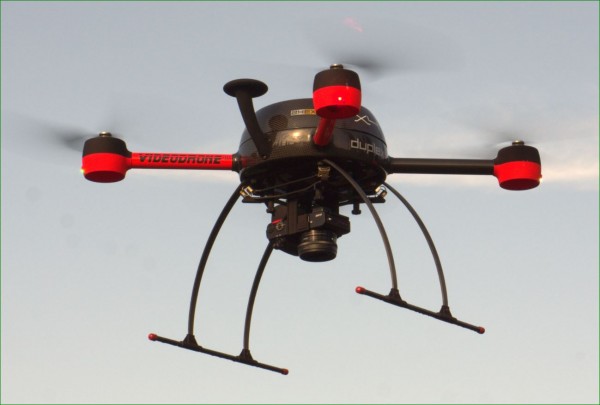 Excess and umbrella liability policies extend the limits of standard liability coverage to protect a business from large or unusual losses. Changes in global supply chains, emerging delivery technologies, and expanding cyber risks have increased the exposures that excess carriers must consider.
This article explains how excess and umbrella coverage interacts with modern business risks and what owners should review when evaluating their protection levels.
Key takeaways
- Excess and umbrella policies add higher limits on top of primary liability insurance.
- Global operations and new delivery methods (drones, autonomous vehicles) can create unfamiliar liability gaps.
- Cyber incidents and product/environmental liabilities may trigger large umbrella losses.
- Work with knowledgeable brokers to match coverage to where you operate and the exposures you face.
How it works
Excess liability typically sits above a primary policy: once the primary limits are exhausted, the excess policy responds up to its own limit. Umbrella policies often provide broader coverage by filling gaps that a primary policy excludes.
Carriers assess exposures and underwriting appetite differently for domestic risks versus foreign operations, which affects availability and pricing for high-limit coverage.
What it may cover (and what it may not)
Excess and umbrella policies generally increase financial protection for bodily injury, property damage, and certain liability judgments beyond the primary policy limits. They can be essential for transportation fleets, manufacturers, and companies with significant public exposure.
Some emerging exposures are commonly excluded or restricted without specific endorsements. Examples include certain cyber-related losses, unmanned aircraft operations, and liabilities arising under foreign jurisdictional requirements. For businesses operating overseas, specialized protection such as Foreign Liability Insurance may be necessary to meet local legal or contractual limits.
Common mistakes to avoid
Assuming standard umbrella language will automatically cover new technologies like drones or autonomous vehicles is a frequent error; carriers often require endorsements or separate policies.
Failing to coordinate primary and excess policies can create coverage gaps, especially when different carriers write different layers of insurance.
Overlooking foreign liability and environmental rules in supply chains can leave a company exposed to claims that exceed domestic limits.
Questions to ask an agent
What specific exclusions apply to cyber incidents, unmanned aircraft, or autonomous vehicle operations in my excess policy?
How will coverage respond if primary limits are eroded by defense costs or settlements?
Do we need specialized foreign liability or environmental endorsements for the countries in our supply chain?
Next steps
Inventory your operations and note where products are manufactured, assembled, and sold. Identify any use of drones, autonomous delivery, or significant digital operations that could elevate liability exposure.
Discuss your situation with a broker experienced in high-limit placements and consider tailored excess solutions such as those used by large fleets; see Excess Insurance for Large Transportation Fleets for context on transportation-specific considerations.
For business owners reviewing general liability architecture, review options that combine primary and excess protections with broader coverage features by consulting resources like Personal, Excess, and General Liability for Businesses.
If you need a policy review or to compare high-limit options, ask an agent to evaluate gaps and placement strategies.
Frequently Asked Questions
Will an umbrella policy cover a cyber attack?
Many umbrella policies exclude cyber incidents unless a specific endorsement is added; separate cyber insurance is often required for first-party and certain liability costs.
Do excess policies respond internationally?
Some excess policies can respond internationally, but foreign jurisdictional limits or local requirements may necessitate specialized foreign liability insurance or admitted local policies.
Are drone-related liabilities automatically covered?
Drone operations are frequently excluded or limited on standard policies, and carriers may require specific endorsements or stand-alone aviation coverage.
How do defense costs affect the exhaustion of underlying limits?
If defense costs erode the primary limits, the excess layer may be triggered sooner, so clarify whether defense expenses are inside or outside policy limits.