Overview
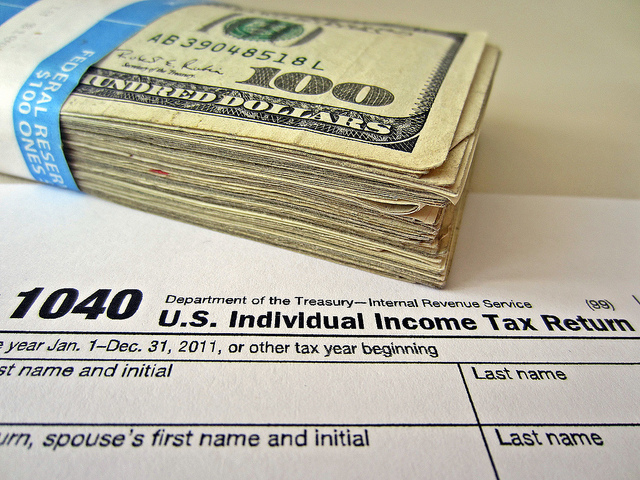 Tax refunds are a useful opportunity to make progress on financial goals instead of treating the check like found money. Thoughtful use of a refund can strengthen your emergency savings, accelerate retirement progress, reduce high-interest debt, or improve your insurance protection.
Below are practical ways to allocate a refund so it supports stability and long-term planning rather than short-term spending.
Key takeaways
- Prioritize high-impact uses: emergency savings, high-interest debt, or retirement contributions.
- Small, consistent changes (like boosting 401(k) contributions) compound over time.
- Consider insurance and coverage gaps before using a refund for nonessential purchases.
How it works
Decide on one primary goal for your refund and split remaining funds among secondary priorities. For example, you might place a portion into an emergency fund and use the rest to pay down credit card balances.
Increasing pre-tax retirement contributions reduces taxable income and can capture employer matching dollars when available. If you want more detail on retirement planning and related financial topics, see Financial wellness, retirement, tax-refund strategies, cloud security myths, and workplace liability.
If you need specialized coverage or a business-related policy, review your options with a broker or agent familiar with your industry. For niche coverage questions, a starting resource is Makeup Insurance, which illustrates how specific risks are evaluated and insured.
What it may cover (and what it may not)
A refund can meaningfully cover an emergency cushion equal to several weeks or months of expenses, reduce high-interest balances, or fund a year of small insurance premiums. It can also fill temporary budget gaps without altering monthly cash flow.
However, a refund alone usually will not fully fund long-term goals like retirement or pay off large mortgages. Plan to combine refund dollars with ongoing monthly savings to meet larger objectives.
Common mistakes to avoid
- Spending the entire refund on discretionary purchases without a plan.
- Using refund money for minimal short-term gains instead of reducing high-interest debt.
- Neglecting to check whether increased retirement contributions will trigger an employer match or affect take-home pay unexpectedly.
- Buying insurance without comparing coverage levels and exclusions first.
Questions to ask an agent
What coverage limits and deductible levels would make sense given my household budget and assets?
Will increasing my retirement contribution change eligibility for employer matching or other benefits?
How will paying off debt affect my credit score and debt-to-income ratio for future borrowing?
If you want an agent to review your options, consider asking them to talk to an agent about recommended next steps and quotes tailored to your situation.
Next steps
Choose one primary use for your refund, then allocate remaining funds to one or two secondary goals. Set calendar reminders to revisit this plan when you receive future refunds or bonuses.
Keep records of any policy changes or retirement elections you make so you can confirm they were applied correctly and compare results at year-end.
Frequently Asked Questions
Is it better to pay off debt or save the refund?
Prioritize paying off high-interest debt first, but keep some cash for emergencies so you are not forced back into credit use.
Can I use my tax refund to increase my 401(k) balance?
You can contribute a refund to an IRA or use it to adjust payroll contributions, depending on plan rules and contribution limits.
Should I buy insurance with my refund?
Using a refund to buy or upgrade necessary insurance can be a prudent hedge against large, unexpected expenses.
How much should I keep in an emergency fund?
Many advisors recommend saving three to six months of essential living expenses, though your ideal amount depends on job stability and household risk factors.