Overview
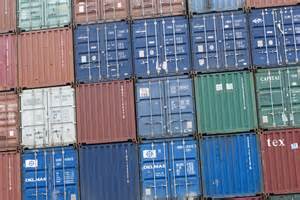 If you ship goods, you may face financial loss when cargo is lost or damaged in transit unless you have appropriate insurance.
Freight carriers typically maintain a limited legal liability that is often expressed per pound and may be capped by the invoice value of the shipment.
Key takeaways
- Carrier liability is limited; it often does not cover the full value of most shipments.
- Freight policies vary by mode, peril, and storage—read exclusions and limits carefully.
- File claims promptly with both the carrier and your insurer; ideally within 24 hours of discovering loss.
- Work with an insurance professional to match coverage to your supply chain risks.
How it works
Insurers sell cargo or freight coverage that reimburses the owner for physical loss or damage to goods while in transit or in temporary storage, subject to policy limits and exclusions.
Carriers are usually responsible for claims under their own liability limits, but a separate freight policy fills gaps by covering the declared value above carrier limits and by broadening covered perils.
For specialized shipments you may consider targeted products such as Transportation - Containerized Freight Insurance or modespecific coverage like Motor Freight Transportation Insurance (Motor Truck Cargo) when appropriate.
If your shipment value exceeds carrier limits, consider buying Freight Insurance: Protecting Your Business to ensure adequate protection and a clearer claims process.
What it may cover (and what it may not)
Typical cargo insurance covers physical loss or damage caused by events such as accidents, fire, theft, water damage, or containers lost at sea, subject to policy terms.
Common exclusions include war, strikes, intentional misconduct, inherent product defects, or inadequate packaging unless explicitly included.
For shipments that cross borders or involve international terms of sale, you may need additional clauses or tailored wording—see Why Cargo Insurance is Crucial for International Shipments for considerations specific to cross‑border transport.
Cargo insurance covers only the insured goods; it generally does not reimburse for lost sales, delays, or labor costs unless a separate business‑interruption or contingent policy applies.
Common mistakes to avoid
- Relying solely on carrier liability without verifying limits, deductibles, or exclusions.
- Failing to declare the correct value of goods or to insure to full invoice value.
- Overlooking storage or warehouse exposure when goods are held between legs of transit.
- Missing time limits for notice and filing of claims with carriers and insurers.
Questions to ask an agent
- What perils are covered and which are excluded under the policy?
- How are limits, deductibles, and valuation (invoice vs. replacement cost) handled?
- Does the policy cover multimodal transit and warehouse storage between shipments?
- What documentation and timelines are required to file a claim?
Next steps
Review your current contracts and carrier terms to identify gaps between carrier liability and the value of your shipments.
Obtain quotes for policies that match your transport modes and risk tolerance, and discuss policy wording and claims handling with your broker or insurer.
If you want professional help comparing options or starting a policy, talk to an agent who can review your specific needs and provide tailored recommendations.