Overview
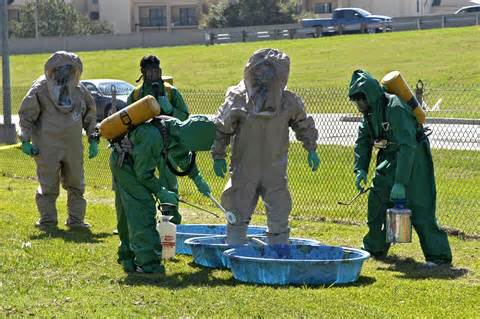 HAZWOPER (Hazardous Waste Operations and Emergency Response) awareness applies beyond industrial sites; it is important for offices where chemicals, cleaners, solvents, pesticides, or hidden biological hazards like mold can affect health and safety. This article outlines basic steps employers and employees can take to reduce risk and establish safer procedures for handling, storing, and disposing of potentially hazardous materials.
Key takeaways
- Even small items—batteries, ink cartridges, and household cleaners—can create serious hazards if handled or discarded improperly.
- Clear standard operating procedures and basic employee training prevent many common chemical and biological incidents.
- Routine building inspection, proper storage, and ventilation reduce long-term health and fire risks.
How it works
Awareness training teaches employees to recognize common hazards, separate incompatible materials, and respond safely to spills or exposures. Training covers simple actions such as taping battery terminals before disposal, reading product labels and safety data sheets, and knowing who to notify if a spill or biological growth is discovered.
When an incident requires professional cleanup or third-party services, changing responsibility and costs can become complicated; employers often review options such as specialized cleanup coverage. For information on insurance options tied to cleanup needs, see Hazardous Material (Hazmat) Cleanup Insurance.
What it may cover (and what it may not)
Basic awareness training and good housekeeping reduce many common exposures but do not replace formal HAZWOPER certification for higher-risk operations. Insurance and cleanup services may cover remediation costs and liability for accidental releases, but policies differ widely by incident type, cause, and site conditions.
For workplaces that handle or generate hazardous refuse regularly—such as contractors or haulers—specialized programs address transport and disposal risks; employers may evaluate relevant programs like Hazardous Material and Hazardous Waste Hauling Insurance Program when assessing operational exposure.
Common mistakes to avoid
Many incidents stem from simple mistakes: mixing cleaners (bleach with ammonia produces toxic chloramine gases), storing incompatible chemicals together, throwing active batteries in the trash, or ignoring small mold colonies until they spread. Poor labeling and unsecured storage also increase the chance of accidental reactions or improper disposal.
Another frequent oversight is neglecting HVAC maintenance; dirty ducts or inadequate filtration can circulate biological contaminants through an entire building. Schedule periodic inspections and remediate small problems before they escalate.
Questions to ask an agent
When discussing risk management and coverage with an insurance professional, consider asking about the scope of cleanup and liability protections, exclusions for certain chemical classes, and whether policies include emergency response coordination. If you need more detail on typical workplace chemical incidents and claims handling, review resources such as Workplace Chemical Hazards and Claims.
You can also ask about practical steps the insurer recommends for reducing premiums and claims frequency, and whether the carrier requires documented standard operating procedures or training records to support a claim—then talk to an agent to review your specific situation.
Next steps
Create clear, written standard operating procedures for cleaning, maintenance, and disposal of potentially hazardous items. Include product-specific instructions, storage separation rules, and who to notify in the event of a spill, leak, or suspected exposure.
Implement basic employee awareness training, keep Safety Data Sheets accessible, and adopt simple controls: label containers, tape battery terminals before disposal, schedule cleaning so incompatible products are not used consecutively, and remediate mold or biological growth promptly.
Review your insurance and service options to ensure you have access to qualified remediation and coverage for cleanup costs when needed.
Frequently Asked Questions
What is HAZWOPER awareness training for office employees?
It is basic training to help employees recognize potential hazardous materials, avoid common mistakes, and know when to escalate an incident to management or professional responders.
How should nine-volt batteries be disposed of to reduce fire risk?
Place a piece of tape over both terminals or store batteries in their original packaging before disposal or recycling to prevent short circuits that can ignite trash.
Can mixing household cleaners be dangerous?
Yes; certain combinations, like bleach and ammonia, produce toxic gases and should never be mixed or used sequentially in the same space without thorough ventilation and cleaning.
When should I call a professional for mold or chemical cleanup?
Call a licensed remediation professional if the affected area is large, the contamination is in HVAC systems, or occupants are experiencing persistent health symptoms that seem linked to the environment.