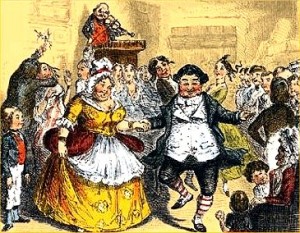
 Eggnog, latkes, old friends, parties – and a lot of beveraging! HR That Works wishes you a safe and happy holiday season. As the host of your company party, you have a legal obligation to make sure attendees get home safely. Here’s a short list of practical tips to help you meet that responsibility.
Holiday party safety tips
- Make party attendance voluntary.
- Hire bartenders trained to spot and handle intoxicated revelers.
- Provide non-alcoholic beverages.
- Give each guest a limited number of drink tickets, instead of an open bar.
- Serve filling food – not just chips and pretzels – whenever alcohol is available.
- Cut off alcohol service at least an hour before the party ends.
- Stop serving intoxicated guests immediately; don’t wait until they’re ready to leave.
- Never ask an apparently impaired guest if they’re able to drive home – assume they are not.
- Provide a taxi service for guests who require or request it.
- Have a friend or family member pick up intoxicated guests.
- Arrange for discounted rooms at the event location or a nearby hotel.
Finally, have a fun party. Think like good ol' Mr. Fezziwig and plan for safety as part of the celebration.
Accommodating religious needs
The holiday season is also a time to consider religious accommodation in the workplace. Federal law prohibits discrimination based on religion, and employers must reasonably accommodate an employee's sincere religious practices unless doing so would create an undue hardship for the business.
The Equal Employment Opportunity Commission describes religious practices to include moral or ethical beliefs as to what is right and wrong when those beliefs are sincerely held with the strength of traditional religious views. The phrase “religious practices” includes both religious observances and practices.
Key points
- It’s unlawful for an employer to fail to reasonably accommodate an employee’s religious practices unless accommodation would cause undue hardship.
- An employer generally may not ask about an employee’s religious background unless there is a clear, job-related reason for the inquiry.
For guidance on event-related liability, including risks tied to alcohol service and guest injuries, see Holiday Party Liability, Religious Discrimination, and Personal Articles Floater.
If your event will include alcohol, consider whether alcohol-related liability coverage is appropriate; for background on those options see Liquor Dealers and Stores — Liquor Liability Coverage. For additional related topics, see HO-2 Homeowners Insurance (Broad Form) and Romantic Hotels Insurance.
If you have questions about what coverage fits your company’s events, talk to an agent.
Frequently Asked Questions
Do employers have to provide transportation for employees after a holiday party?
Employers are not always required to provide transportation, but offering taxis, rideshares, or hotel rooms reduces legal risk and is a recommended best practice.
Can an employer require employees to attend a holiday party?
It is safer to make attendance voluntary; mandatory attendance can increase exposure to accommodation and discrimination claims.
What should I do if an employee asks for a religious accommodation for a holiday?
Engage in a timely, good-faith conversation to understand the request and explore reasonable accommodations unless doing so would cause undue hardship.
When should alcohol service be stopped at an event?
Stop serving alcohol at least an hour before the event ends and immediately refuse service to any visibly intoxicated guest.