Overview
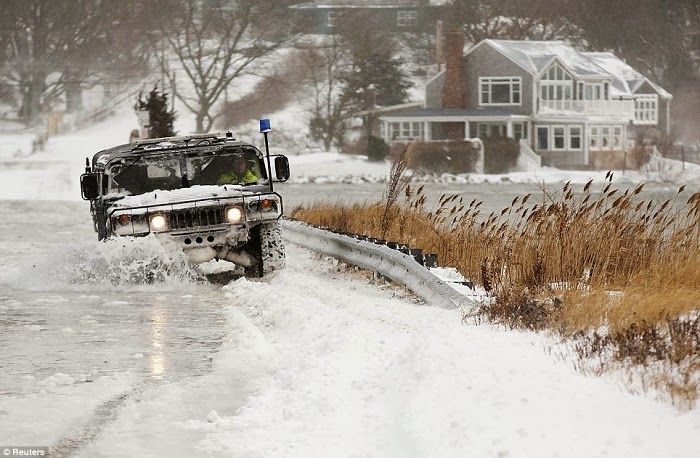 Inland flooding accounts for a substantial share of flood losses, driven largely by development and changing storm patterns. Increased pavement and rooftops create faster runoff, sending more water into creeks, rivers, and low-lying areas than natural landscapes once did.
Flood risk can exist well away from coastlines — even properties that have never flooded before may be exposed if upstream land changes or a severe storm overwhelms drainage systems.
Key takeaways
- Development and impervious surfaces can increase inland flood risk.
- Flood insurance should be arranged before a storm threatens, since new policies often require advance notice to take effect.
- Mitigation steps, like elevating valuables and improving drainage, can reduce damage but not eliminate risk.
How it works
Flood insurance transfers the financial risk of water damage from you to an insurer for a periodic premium. Policies commonly separate building coverage from contents coverage, so you can insure the structure, personal property, or both.
Coverage rules, waiting periods, and available limits vary by policy and provider, so review terms before a storm event. For basic consumer guidance on what flood insurance covers, see What is Flood Insurance?
What it may cover (and what it may not)
Typical flood insurance may cover structural damage to foundations, walls, and built-in appliances, and may also include interior finishes and personal belongings if you buy contents coverage. Permanent additions like HVAC or plumbing equipment are often considered part of the building coverage.
Flood policies commonly exclude damage from sewer backups unless a specific endorsement is purchased, and they do not cover business interruption unless you have a commercial policy with those provisions. For consumer-focused policy options, review Personal Lines Flood Insurance resources.
Common mistakes to avoid
Waiting until a storm is imminent to buy coverage is a frequent error; many flood policies require a waiting period before they become effective. Do not assume that absence of previous floods means you are safe.
Another mistake is underinsuring contents or failing to document possessions. Keep an inventory and store important items off the floor where possible to reduce damage in shallow flooding.
Questions to ask an agent
Ask about waiting periods, coverage limits, and whether contents and detached structures are included. Request examples of exclusions and endorsements so you understand gaps in standard coverage.
Discuss whether elevation certificates, mitigation measures, or community flood control projects affect your rates or eligibility. If you want detailed planning guidance, see The Importance of Flood Insurance for further considerations.
Next steps
Survey the land around your property for upstream development or new impervious surfaces that could increase runoff into your area. Document which items are most vulnerable and consider moving them to higher shelves or upper floors.
Contact an insurance professional to compare policy options and verify how quickly coverage can begin. If you need a convenient way to start that conversation, talk to an agent about flood policy timing and limits before a storm approaches.
For information on insurance and mitigation strategies, see Flood Control (Flood Insurance & Mitigation).
Frequently Asked Questions
Do I need flood insurance if I don't live near the coast?
Yes; inland flooding can occur because of heavy storms, rivers overflowing, or increased runoff from nearby development, so proximity to the coast is not the only risk factor.
How soon does a flood insurance policy take effect?
Many policies have a waiting period before they are active, so purchase well before any forecasted storm to ensure coverage is in place.
Will flood insurance cover damage from sewer backups?
Standard flood policies often exclude sewer backups unless you add a specific endorsement, so verify your policy details with an agent.
Should I insure both the building and my contents?
Insuring both provides broader protection; building coverage repairs structural damage while contents coverage helps replace personal property damaged by flooding.