Overview
Prime contractors are responsible for overall site safety, which includes inspecting tools and personal protective equipment (PPE) brought by employees and subcontractors. A short, routine inspection can identify worn tools, missing PPE, and electrical hazards before they cause injuries or property damage.
Key takeaways
- Prime contractors should include subcontractors’ tools and PPE in site inspections to reduce risk.
- Quick visual checks and simple tagging practices help document condition and grounding of equipment.
- Consistent standards and training improve safety culture and reduce potential liability.
How it works
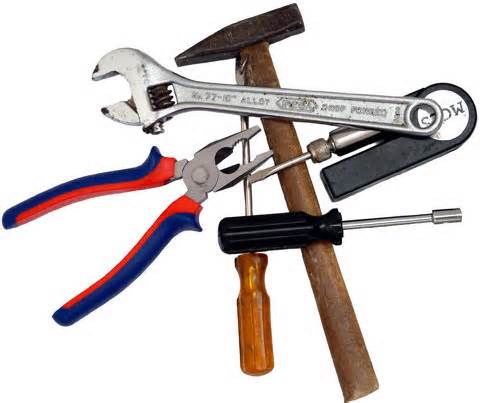
Begin each shift or job with a quick walk-through while crews set up. Look for obvious defects: cracked handles, mushroomed hammer heads, loose blades, ripped gloves, improperly fitted hard hats, and ungrounded power tool cords.
Establish a simple inspection checklist and a tagging or labeling system for approved personal tools. Tagging shows that tools have been inspected and are acceptable for use on your site, and it makes spot checks faster and clearer.
Keep basic records of inspections and any corrective actions taken. If a subcontractor has an assured grounding or inspection program, review their paperwork as part of your due diligence and incorporate any necessary site-specific requirements; for broader guidance on tool maintenance and risk controls, consider reviewing vendor resources such as Tools, Maintenance, and Risk Management to align your procedures with industry best practices.
For equipment-specific inspection examples, see Garage Lift Inspectors OCP Insurance.
What it may cover (and what it may not)
Inspections typically cover PPE fit and condition, hand tool integrity, saw blade sharpness, and power tool cord grounding. They also check for proper footwear and clothing appropriate for the work being performed.
Inspections do not replace full maintenance programs or manufacturer-required periodic servicing for specialized equipment. High-voltage tools, heavy machinery, and certified lifting gear may require separate documentation and qualified inspectors; for examples related to other inspection specialties, see Escalator Inspectors OCP Insurance.
Common mistakes to avoid
- Assuming subcontractors maintain the same standards—document and verify their inspections.
- Relying only on corporate tools being inspected—personal tools should be treated the same.
- Failing to tag or record inspections—this makes corrective actions and compliance harder to prove.
- Stopping work entirely for minor fixes—offer assistance to correct deficiencies to keep work safe and productive.
Questions to ask an agent
Ask whether your liability and workers’ compensation policies expect documented site inspection programs or written tool maintenance protocols. Clarify how coverage responds to incidents involving subcontractor-owned tools and whether loss-control measures affect premiums or claims handling.
If you need examples or templates, your broker or carrier can often provide sample checklists and tagging programs to standardize inspections across crews and subcontractors.
Next steps
Create a short, practical inspection checklist and train supervisory staff to perform quick pre-shift checks. Require subcontractors to present inspection tags or documentation for their tools before work begins.
Periodically review and update the process, and consult resources on workplace safety inspections as needed; for example, see Workplace Safety Inspections, Tool Checks, Excavation Safety & OCP Insurance for additional compliance considerations and consult specialists such as Rig Inspectors Insurance when relevant.
When you need help implementing or documenting these controls, consider taking the next step and talk to an agent who can advise on insurance and loss-control options.