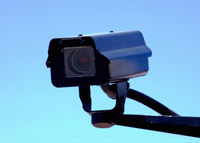
Overview
Workplace video surveillance can be a practical tool for documenting incidents, deterring staged injuries, and supporting Workers' Compensation investigations when used responsibly.
Employers should balance the value of recorded evidence with employee privacy, clear policies, and proper data handling to avoid legal and ethical problems.
Key takeaways
- Cameras can deter fraud and provide objective evidence of workplace incidents.
- Privacy rules limit where and how employers may record; notice and policy matter.
- Proper camera placement, retention policies, and chain-of-custody procedures preserve evidence quality.
- Coordinate surveillance strategy with insurance and human resources professionals.
How it works
Surveillance systems record visual (and sometimes audio) data that can corroborate or contradict an injured worker's account of events.
Effective programs combine well-placed cameras with written procedures for monitoring, storing, and producing footage so evidence is admissible and reliable.
To assess risk and coverage implications, consult resources like New Year Resolutions for Companies: Focus on Internal Controls for integrating surveillance into broader loss-prevention plans.
What it may cover (and what it may not)
Cameras typically document slip, trip, and fall incidents, interactions between employees and customers, and dangerous work practices when located in work areas and common spaces.
They generally do not capture incidents in private areas such as restrooms or locker rooms, and footage may be limited if an incident occurs outside camera coverage.
For a clearer picture of insurance implications and claims handling tied to workplace injuries, review materials such as Workers' Compensation Insurance Overview.
Common mistakes to avoid
- Failing to post clear notice that video surveillance is in use, which can create legal exposure.
- Installing cameras in areas with a reasonable expectation of privacy.
- Keeping footage indefinitely or without a documented retention schedule.
- Producing unverified clips without preserving original files and metadata, which undermines credibility.
Questions to ask an agent
Ask how recorded evidence is treated under your Workers' Compensation policy and whether footage has affected claim reserves or investigations for other clients.
Request guidance on documentation practices and whether your insurer recommends specific retention periods or incident-handling procedures.
For more context on preventing and detecting fraudulent claims and coordinating with insurance partners, see Understanding Workers Compensation and Fraud.
Next steps
Start by mapping high-risk areas that are appropriate for monitoring and drafting a written surveillance policy that explains purpose, coverage, access, and retention.
Train supervisors and security staff on preserving footage integrity, logging access, and responding to data requests from insurers or investigators.
If you want an insurance professional to review your surveillance plan and its effect on coverage, talk to an agent who can advise on compliance and claims-handling best practices.
Frequently Asked Questions
Can employers use surveillance footage in a Workers' Compensation claim?
Yes; footage can be used as supporting evidence if it was lawfully obtained and properly preserved, but admissibility varies by jurisdiction.
Do I need to notify employees about cameras?
Most places require clear notice when employees are under video surveillance; posting signage and including notice in policies is standard practice.
How long should recorded footage be kept?
Retention should be based on business needs and legal requirements; many employers keep routine footage for 30–90 days but preserve incident clips longer.
Are there privacy risks I should plan for?
Yes; avoid cameras in areas with high privacy expectations and limit access to footage to authorized personnel only.