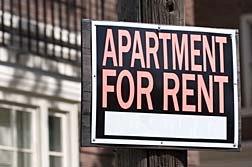
 Renters Insurance covers your possessions if they're damaged, lost or stolen. Although it's optional for many renters, some landlords require tenants to carry it — which raises the question: is that requirement legal?
First, the requirement may come from your landlord's insurer rather than the landlord personally. A homeowner's insurance company can ask that tenants carry coverage so the landlord's policy doesn't have to replace tenants' belongings.
Second, a landlord's policy generally covers the building and the land, not a tenant's personal property. If there is a fire or other covered loss and you don't have a policy, you likely will not receive money to replace your possessions.
Third, landlords can set lease requirements as long as those rules are legal and nondiscriminatory; you may accept the lease terms or choose a different rental.
Consider the cost of not having coverage: replacing electronics, clothing, jewelry and collectibles can be expensive, and a guest's injury in your unit could lead to medical bills you may be responsible for. This coverage can pay for those expenses and provide financial protection and peace of mind.
Policies are often customizable so you can reduce premiums by raising your deductible, choosing actual cash value instead of replacement cost, or bundling with other policies. You can also compare specific policy options on a Tenant Policy (Renters Insurance) storefront to see what fits your needs and budget.
If you want more plan choices or different coverage levels, review available listings such as Tenant Insurance (Renter's Insurance) to compare limits and endorsements before you buy.
When a landlord requires you to purchase this coverage, that requirement is commonly legal and often protects both parties. To finalize a purchase or get personalized advice, you can talk to an agent about the options that best match your situation.
Frequently Asked Questions
Can a landlord require proof of coverage?
Yes; many landlords request proof of an active policy or a certificate of insurance as part of the lease application or move-in process.
What does a typical tenant policy cover?
Most policies cover personal property, liability for injuries to guests, and additional living expenses if your unit becomes uninhabitable after a covered loss.
If I don't own much, do I still need a policy?
Even renters with modest belongings can benefit from liability protection and coverage for losses that would otherwise be out-of-pocket.
How can I lower my premium?
Common ways to lower cost include increasing the deductible, limiting optional endorsements, and bundling with other insurance products.