Overview
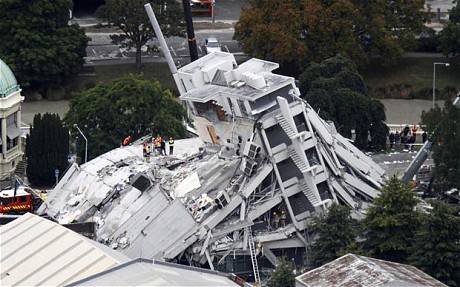 Natural disasters — floods, hurricanes, tornadoes, earthquakes, and severe winter storms — can disrupt businesses of any size and in any location. A practical disaster plan reduces downtime, protects employees, and preserves critical assets so a business can recover faster.
Preparing includes evaluating likely local hazards, protecting the physical building and equipment, keeping key records safe, and reviewing insurance to confirm what losses are covered. Small changes made ahead of a disaster often avoid much larger costs later.
Key takeaways
- Identify the natural hazards most likely to affect your location and plan responses for each.
- Protect people first: assign roles, set clear communication methods, and establish safe shelter locations.
- Invest in physical protections and data backups to reduce damage and speed recovery.
- Review insurance coverages and exclusions so you know what losses are and are not paid.
How it works
Start by assessing risk: map probable events, estimate likely damage scenarios, and prioritize actions that reduce the biggest threats. Local emergency management offices and building inspectors can help identify vulnerabilities quickly.
Assign one person to coordinate communications and another to oversee critical systems such as power, water, and data backups. Create simple checklists for employees so everyone knows how and when to evacuate, shelter in place, or report damage.
Document recovery priorities — for example, what equipment must be restored first and which client records need immediate access — and include those priorities in vendor and contractor agreements. For guidance on planning continuity and recovery, see Business continuity and disaster preparedness.
What it may cover (and what it may not)
Standard commercial property insurance typically covers direct physical loss from perils listed in the policy, such as wind or fire damage. Many policies exclude flood and earthquake unless an additional endorsement or separate policy is purchased.
Business interruption coverage can replace lost income and pay for temporary relocation costs when a covered peril closes the business, but it usually requires proof of direct physical damage to trigger a claim. Policies often have specific limits, waiting periods, and exclusions, so reading the policy language is essential.
Common mistakes to avoid
Assuming a single policy covers all disaster scenarios is a frequent error; for example, flood coverage is commonly excluded from standard property policies. Failing to store digital backups offsite or in the cloud can prolong recovery even when the building itself is repairable.
Another common mistake is not communicating the plan to employees or not updating the plan after equipment, staff, or operations change. Plans that sit in a drawer are not useful during an emergency.
Questions to ask an agent
- Which perils are excluded from my current policy and how can I add coverage for flood or earthquake?
- How does business interruption coverage calculate lost income and what documentation is required for a claim?
- Are there endorsements that cover temporary relocation, extra expense, or equipment replacement with new-for-old terms?
- What limits, deductibles, and waiting periods apply after a natural disaster?
Next steps
Create or update a written disaster response plan, assign clear roles, and practice the plan so staff know what to do under pressure. Protect critical documents with offsite or cloud backups and consider physical mitigations such as drainage, shutters, or elevated electrical systems where appropriate.
For small, home-based product makers, see Home-Based Natural Ingredient: Lotion Insurance and Home-Based Natural Ingredient: Soaps. Review your current policies and any business continuity strategies with a professional resource to confirm you have appropriate coverages and response procedures. For sector-specific concerns and resiliency planning for utilities and manufacturers, consult Cyber and Natural Disaster Risk for Utilities and Manufacturers.
If you want a quick way to compare coverage or submit information for a quote, review with an insurance agent to clarify your options and next steps.
Frequently Asked Questions
Does standard commercial property insurance cover flood damage?
Most standard commercial property policies exclude flood damage; flood coverage is usually purchased as a separate policy or endorsement.
What is business interruption insurance and when does it pay?
Business interruption insurance compensates for lost income and extra operating expenses when a covered peril forces a business to close, and it typically requires proof of direct physical damage to the insured property.
How can a small business protect important records and digital data?
Use a combination of offsite backups, cloud storage, and secure hard-copy files stored above likely flood levels to ensure records survive a disaster.
How often should a disaster plan be reviewed?
Review and update the plan at least annually and any time there are material changes to staff, location, or operations.