Overview
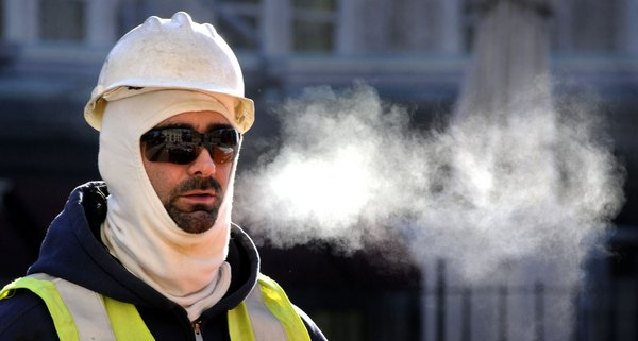 Cold-weather work can create serious hazards for employees who spend extended time outdoors. Two of the most dangerous conditions are frostbite, where skin and deeper tissues freeze, and hypothermia, where the body loses its ability to maintain core temperature. Both can progress quickly and require prompt recognition and response to prevent long-term injury or death.
Employers and supervisors should plan for cold stress, provide appropriate clothing and breaks, and train workers to recognize warning signs. Practical prevention and a clear emergency response reduce the likelihood of injuries and help protect both workers and the organization.
Key takeaways
- Frostbite and hypothermia are preventable with proper clothing, hydration, and work-rest cycles.
- Recognize early symptoms: persistent shivering, loss of coordination, numbness, and skin color changes.
- Employers should prepare a cold-weather safety plan and ensure access to warming areas and first aid.
- Review workplace planning resources and insurance options to manage risk and recovery.
How it works
The body maintains a core temperature near 98.6°F; prolonged exposure to low temperatures or wind chill can overwhelm natural defenses. Initially the body conserves heat by reducing blood flow to the extremities and triggering shivering to generate heat.
If exposure continues, extremities can develop frostbite—tissue freezing that reduces oxygen supply and can cause permanent damage. Hypothermia occurs when core temperature falls and the brain and organs do not function properly; symptoms range from confusion and drowsiness to loss of consciousness.
Factors that influence risk include air temperature, wind chill, wet clothing, fatigue, poor nutrition, certain medications, and pre-existing medical conditions. Layered clothing, windproof outer garments, and keeping clothes dry slow heat loss and help prevent cold injury.
What it may cover (and what it may not)
Medical treatment for workplace cold injuries is typically covered under employer-provided workers’ compensation where applicable, including emergency care and certain follow-up treatment and wage replacement during recovery. For overview information about workplace insurance and injury prevention, see Workers' Compensation Insurance and Workplace Safety.
Employer safety programs may include paid warm-up breaks, access to heated shelters, training, and provision of personal protective equipment. Personal medical conditions that predate the injury or non-work related exposures may fall outside workplace coverage and are handled case by case. For coverage for seasonal or property-related exposures, see Winter Weather Insurance for Commercial Properties.
Common mistakes to avoid
- Failing to plan: not having a written cold-weather safety policy or emergency procedures.
- Underestimating wind chill: exposure time decreases rapidly as wind increases.
- Allowing wet clothing: wet garments conduct heat away from the body much faster than dry clothing.
- Neglecting hydration and nutrition: dehydration and low blood sugar reduce the body’s ability to produce heat.
- Ignoring early symptoms: delaying warm-up or first aid can convert mild cold stress into a serious injury.
Questions to ask an agent
Ask about coverage for medical treatment and wage replacement after cold-related workplace injuries, and whether employer-provided programs affect premiums. Request examples of claim processes and documentation employers should maintain after an incident.
Discuss options for workplace safety resources and templates that support planning and training; for planning tools and checklists, see Winter Weather Preparedness. Ask whether industry-specific programs apply, for example Theatrical Producers Insurance.
Clarify reporting timelines and return-to-work support services that can help injured workers recover and resume duties safely.
Next steps
Create or update a cold-weather safety plan that identifies high-risk tasks, required protective clothing, warming areas, and a communication protocol for severe weather. Train supervisors and workers to recognize signs of frostbite and hypothermia and to act immediately.
Stock first-aid supplies and establish procedures for rapid medical evaluation when needed. Also review industry-specific policy options such as Theaters & Movie Insurance. For assistance with coverage questions or to review your policy options, talk to an agent.