Overview
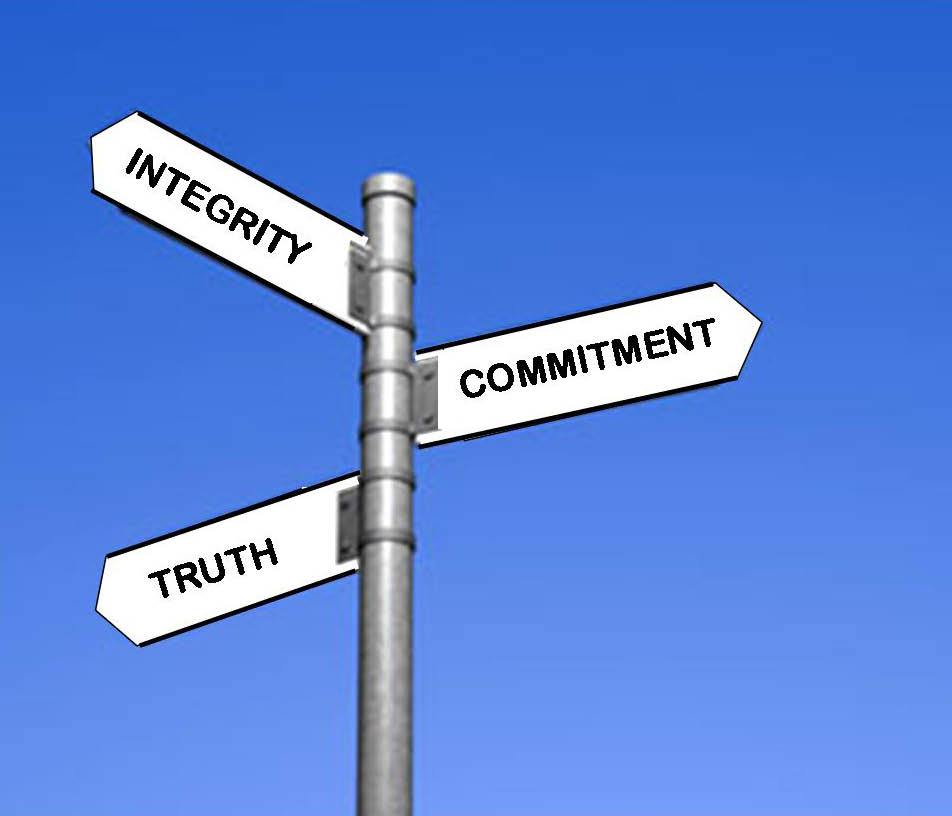
Ethical workplaces begin with leadership. Leaders set the tone for acceptable behavior, prioritize values in day-to-day decisions, and make clear what the organization rewards and what it does not tolerate.
In small businesses the leader’s actions are highly visible, so modeling integrity, transparency, and consistency has an outsized effect on culture and employee conduct.
Training and development are practical ways to reinforce expectations; for guidance on leadership programs and training resources see Professional Development and Leadership Overview.
Key takeaways
- Leadership behavior strongly influences workplace ethics.
- Clear policies, training, and reporting channels reduce misconduct.
- Consistent reinforcement and accountability sustain ethical culture.
- Insurance and risk controls help manage the consequences of poor practices.
How it works
Leaders establish expectations through formal policies, everyday actions, and the rewards or corrective steps they apply. When leaders follow the same rules they expect of others, employees are more likely to adopt those standards.
Practical elements that support ethical behavior include written codes of conduct, regular training, confidential reporting mechanisms, and timely responses to concerns.
Organizations should also coordinate ethics efforts with risk management. For guidance on liability and workplace practices insurance that can protect the business when issues arise, consider resources like Business Insurance, Liability and Workplace Practices.
What it may cover (and what it may not)
Ethics programs commonly cover topics such as conflicts of interest, fair treatment, confidentiality, and reporting procedures. They typically provide guidance on expected conduct, escalation procedures, and training requirements.
- May cover: code of conduct, training, whistleblower protections, conflict-of-interest rules.
- May not cover: complex legal questions that require outside counsel, or gaps in enforcement if leadership fails to act consistently.
Common mistakes to avoid
- Failing to model behavior from the top down, which undermines any written policy.
- Having policies that are vague or not communicated clearly to employees.
- Lack of confidential reporting channels or failure to investigate complaints promptly.
- Ignoring the need to align ethics policies with insurance, safety, and internal controls.
Questions to ask an agent
When reviewing risk and protection options, ask how proposed policies interact with workplace practices and what incidents are covered. Clear answers on coverage limits and exclusions can help you plan stronger controls.
Ask about industry-specific risks and recommended loss-prevention steps, and be prepared to ask an agent to explain how insurance supports your ethics and compliance programs.
Next steps
Start by documenting a concise code of conduct and making it accessible to all employees. Pair policy with regular training and clear reporting channels so expectations are known and enforced.
Review operational controls and asset protection measures, and align them with your ethics program; for practical information on workplace controls and asset protection see Workplace Safety, Asset Protection and Internal Controls.
Finally, evaluate insurance and risk transfer options to ensure the business is protected if misconduct occurs, and consult an insurance representative as needed.
Frequently Asked Questions
How can a small business leader model ethical behavior?
Leaders can model ethical behavior by following company policies, communicating expectations clearly, and applying consequences fairly and consistently.
What should a basic ethics policy include?
A basic policy should define expected conduct, conflict-of-interest rules, reporting procedures, and the steps for investigating concerns.
How do reporting channels protect employees?
Confidential reporting channels encourage employees to raise concerns without fear of retaliation and enable timely investigation of issues.
When should we involve an insurance agent regarding ethics-related risks?
Engage an agent when assessing coverage for employment practices, liability, or incidents that could result from ethical lapses to understand limits and exclusions.