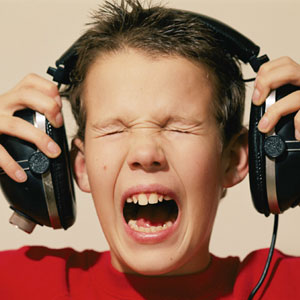
 Many types of businesses expose employees to damaging levels of noise pollution while they are at work. Surprisingly, many of the noises that cause hearing loss are not the loud, uncomfortable ones most people imagine. Instead, they are mid-level decibels that continue for long periods, so hearing loss often occurs gradually and without obvious warning. Employers can take several precautions to protect employees and reduce workplace hearing damage.
Common Sources of Noise Pollution
Some noises, such as jackhammers and jet engines, are obviously loud enough to cause hearing damage. Other sounds, like heavy trucks or a crowded bar, can also reach damaging levels. A business should consider hearing protection measures if any of the following apply.
- Noises are loud enough to be disruptive (for example, busy street traffic or a vacuum cleaner) and persist for most of the workday.
- Employees must raise their voices to be heard even when standing close to each other.
- Employees use power tools or machinery for more than 30 minutes a day.
- Your business operates in industries such as construction, demolition, road repair, woodworking, plastics processing, engineering, manufacturing, fabrication, or foundries.
Preventing Hearing Damage
Businesses that operate in noisy environments can protect employees through training, by providing proper protective gear, and by changing workplace equipment or processes. Practical steps include the following.
- Install quieter equipment or switch to a process that does not require noisy machinery.
- Install screens, barriers, enclosures, and absorbent materials to act as sound dampeners and reduce exposure.
- Implement policies that limit the time workers spend in noisy areas or using noisy equipment.
- Issue proper hearing protection to employees in noise-prone areas and train them on correct use.
Employers should also be aware of industry-specific programs and coverage that can address operational risks; for examples, see Hearing Aid Wholesaler Insurance and Service/AutoGuard Pollution Program.
To compare options or get help choosing appropriate protections and insurance, talk to an agent.
Frequently Asked Questions
How much noise exposure is unsafe for workers?
Repeated exposure to sound levels above about 85 decibels can lead to hearing damage over time, especially when exposure lasts for much of a workday.
What types of hearing protection should employers provide?
Common options include earplugs and earmuffs; the right choice depends on noise level, comfort, and whether employees need to hear warning signals.
Can workplace changes reduce the need for personal protective equipment?
Yes. Engineering controls like quieter machines, barriers, and sound-absorbing materials can lower ambient noise and reduce reliance on personal protection.
When should an employer offer hearing tests to employees?
Employers should provide baseline and periodic hearing assessments for workers who are regularly exposed to hazardous noise levels to detect changes early.