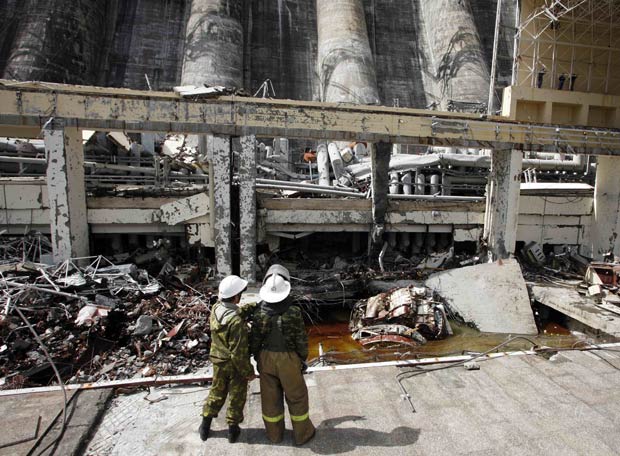
Basic reverse engineering of accidents is an iterative process that uses facts uncovered by investigation and interviews to recreate events leading up to industrial accidents.
Usually several layers of safety redundancy must fail for an industrial accident to occur: supervision can be weak, employees may be poorly trained, equipment might not be maintained, leadership can prioritize production over safety, and proper operational protocols may be missing.
Reverse engineering helps prevent future incidents by diagnosing weaknesses in training, processes, and oversight so those gaps can be fixed.
Begin with the task itself: what was being attempted and was the action within the scope of normal employment or was it horseplay? For example, did a roofer fall while stapling shingles or after jumping off the roof attempting a risky stunt?
Was the employee trained for the job? Determine whether the worker was new or seasoned and whether the task matched their training and experience.
Were safety devices used correctly? Check whether fall protection was properly fitted and anchored or if equipment limitations contributed to the incident. If electrical systems or control equipment are involved, consider Electrical Engineering Errors and Omissions (E&O) Insurance for technical review and liability considerations.
Where was supervision, and did supervisors enforce safe procedures? Identifying supervisory gaps helps target corrective actions.
Double-check information from interviews against field conditions; for vehicle wrecks or building collapses, some forensics or engineering review may be required and that review can overlap with services like Structural Engineering Insurance when structural failures are involved.
Utility markers and field markings can be misleading. Verify physical markings against drawings and on-site conditions before assuming the location of buried lines or utilities.
Reverse engineering teaches vigilance: adding redundancy to procedures, improving training, and enforcing safeguards will reduce injuries and damage.
Accidents result from the interaction of leadership, management, labor, equipment, and machinery. Quality management changes leadership direction, trains the workforce, maintains equipment, and teaches proper use of machinery to avoid problems while improving overall efficiency.
After an incident, leadership’s goals can be used to model a hindcast: where did the process diverge from the intended safe outcome, and how did communication or enforcement fail?
Employees do not want to be injured; determine whether actions failed because of lack of training, unclear procedures, inadequate supervision, or deliberate misconduct. Confirm facts through interviews and site evidence before drawing conclusions.
Wherever failures are found, address proximate causes with targeted interventions: find unanticipated event sequences and train for avoidance practices, or take corrective action with supervisors who failed in their duties. For incidents involving communications systems or networked controls, consult with specialists such as Communications Engineering Insurance to evaluate design or installation issues.
Reverse engineering is about finding causation and rehabilitating the system to avoid future problems, and it often connects to broader accident-response planning and resources such as Accident Investigation & Workplace Safety Overview.
After reviewing the findings, discuss corrective actions with stakeholders and, if you need to review coverage or risk transfer options, consider contacting your broker or talk to an agent to ensure appropriate protections are in place.
Frequently Asked Questions
What is reverse engineering of accidents?
Reverse engineering of accidents is a structured process of reconstructing events from evidence and interviews to identify how an incident occurred and which safeguards failed.
Who should conduct an accident reverse engineering investigation?
Investigations are typically led by trained safety professionals or forensic specialists, sometimes with technical input from engineers or external experts.
How can reverse engineering prevent repeat incidents?
By identifying root causes and system failures, organizations can update procedures, retrain staff, improve supervision, and fix equipment or process gaps.
When is outside expertise necessary?
Bring in outside experts for complex failures such as structural collapse, detailed vehicle forensics, or specialized equipment analysis.
What immediate actions should follow a reverse engineering report?
Implement prioritized corrective actions, retrain affected workers, verify changes on-site, and monitor for effectiveness to prevent recurrence.