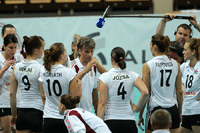
A recent issue of Volleyball USA shared wise advice from 12 of the top volleyball minds in the nation. As someone who has coached both youth teams and executives, I found valuable pearls of advice in the article that can help all of us be better managers and leaders.
For related guidance on developing employees and building stronger teams, see The Importance of Professional Development for Employees.
Coaching insights for leaders
- Control the controllable. Don't spend time dwelling on the last play—good or bad. Correct the problem and move on, and focus management effort on eliminating systemic issues rather than chasing uncontrollable events.
- Pursue perfection. Perfection may be unattainable, but striving for it brings out the best in people. Aim for excellent hiring, retention, performance, motivation, teambuilding, and compliance practices rather than settling for "good enough."
- Have fun! Teams must be able to laugh, sometimes at the coach's expense. Life is too short not to enjoy managing and working with employees; being a fun boss is a choice you can make.
- When under stress, call a timeout. Step back, regroup, and do a "head check" outside the normal schedule when pressure rises. Leaders need to be sensitive to when a pause is needed.
- Coaching and functional teams are about trust. Trust is built by proving yourself trustworthy through consistent ability and desire to perform. People who trust each other collaborate better and avoid costly conflicts.
- Talent isn't rare; work ethic is. Many talented people underperform because they lack drive. Management should recognize effort and victories as well as correct mistakes to maintain motivation.
- Championship teams find ways to win when it's difficult. Tough times expose resilient companies and teams that adapt and thrive despite challenges.
- Coaches are change agents, but need buy-in. Selling a vision and securing team buy-in makes change sustainable rather than resisted.
- Design systems around your people, not people around your system. Identify employees' strengths and build processes that play to them; use testing and assessment where helpful to place people in the right roles.
- Winning is a by-product of taking care of your players. Invest in education and teambuilding so people grow into long-term contributors rather than squeezing short-term output from them.
- The worst mistake is fearing mistakes. Make and learn from mistakes faster than the competition while mitigating avoidable risks.
- You get what you tolerate. Set clear standards for errors, technique, and behavior; tolerating mediocrity usually perpetuates it.
- The "we" is greater than the "me." Focus incentives and recognition on team success to lift overall performance.
- Don't allow people into the game until they're ready. Employees should come to work ready to perform; establish norms that support a professional start to the day.
- Get the best people who qualify for your program. Filling the right seat with the right person matters more than short-term convenience.
- Don't change technique if results are excellent. If someone gets excellent results with their style, prioritize outcomes while being mindful of best practices.
- Model great performers. Identify the most important activities your top contributors perform and teach those best practices to others.
- Enter the gym with a beginner's mind. Stay open to learning each day and ask, "What can I learn today?" to keep improving.
These coaching principles map well to business leadership and operations. For more on applying coaching lessons to technology and workplace communication, see Insights from Volleyball USA on Business and Technology and Driving Distractions and Technology's Impact on Communication.
To what degree are the owners, managers, and supervisors at your company following these well-tested bits of coaching wisdom?
Frequently Asked Questions
How can managers apply these coaching tips day-to-day?
Start with small, consistent changes: set clear expectations, recognize wins, provide targeted training, and pause to regroup under stress.
What if employees resist a new system or change?
Focus on communicating the vision, involve key team members early to build buy-in, and adapt the approach to fit strengths where possible.
How do you balance a fun culture with high performance?
Create routines that prioritize work and outcomes while allowing space for lightness and team bonding that reinforce trust and motivation.