Overview
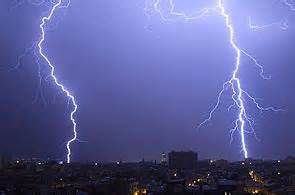 Most businesses depend on computers, networks, and other electronic equipment. Those systems are vulnerable not only to theft or software failures but also to electrical surges that can damage hardware, corrupt data, and interrupt operations.
Surges travel through power lines and connected cabling; they can come from utility faults, downed lines during storms, or equipment switching on-site. Even a brief spike can harm sensitive electronics and lead to costly repairs or replacements.
Key takeaways
- Transient voltage surges can damage any device connected to a power or communications line.
- Point-of-use surge protectors are helpful, but larger facilities often need panel-level protection and professional installation.
- Insurance and risk-transfer options exist to help manage repair and replacement costs after severe surges.
- Regular maintenance and clear recovery plans reduce downtime and long-term loss.
How it works
Surge protection works at two levels: local devices and building electrical distribution. Small surge protectors (TVSS devices) sit between an outlet and equipment, diverting excess voltage away from connected devices during a spike.
For whole-building protection, surge suppression equipment is installed at the service entrance or on subpanels where it can block larger incoming transients before they reach distributed circuits. Proper grounding and bonding are essential for these systems to work correctly.
Communication lines such as phone, data, and coaxial cables can also carry surges. Protecting those cabling paths with appropriate suppressors prevents a surge on one line from damaging connected devices.
What it may cover (and what it may not)
Standard commercial property policies often cover direct damage caused by a covered peril, but coverage for surge-related losses varies. Specialized options can be purchased to address electrical-event risks more directly; for example, consider a policy focused on surge-related events like Lightning insurance when storms are a frequent hazard in your area.
Policies may pay to repair or replace damaged equipment, but exclusions or sublimits can apply for wear-and-tear, gradual deterioration, or losses caused by improper maintenance. Systems damaged indirectly—such as data loss without physical damage—may have different coverage rules.
Common mistakes to avoid
- Relying solely on inexpensive point-of-use strips for critical infrastructure instead of installing panel-level protection.
- Neglecting surge protection for communications and control wiring, which are common surge pathways.
- Assuming all equipment is covered under a standard policy; bond or specialty coverages may be needed for certain electrical contractors or installation guarantees—review options such as Electrical Bond Insurance for contract-related exposures.
- Skipping routine testing and grounding inspections after events that could have weakened protection systems.
Questions to ask an agent
Does my current policy cover surge damage to servers, point-of-sale terminals, and control systems, or are there exclusions or sublimits?
Should I add panel-level surge suppression or line-protection endorsements to reduce gap exposure for critical systems?
Do you offer equipment replacement cost coverage and business interruption protection specifically tied to electrical events?
Next steps
Conduct an inventory of all electronics and decide which items are critical to operations. Prioritize those for panel-level or redundant protection and schedule a grounding and bonding inspection with a licensed electrician.
Consider targeted insurance options that match your facility’s risk profile and disposal responsibilities; for businesses handling retired electronics, a specialist option such as E-waste Recycling Insurance may be relevant.
If you want to review options or update coverages, talk to your insurance representative or ask an agent for a policy comparison and any endorsements that address surge-related losses.
Frequently Asked Questions
What is the difference between a surge protector strip and panel-level surge protection?
Strip protectors guard individual outlets and are useful for low-level spikes; panel-level devices protect the entire electrical distribution and are designed to handle larger transients before they reach branch circuits.
Can I insure data loss caused by a power surge?
Coverage for data loss varies by policy; some business interruption and cyber or media liability extensions may help, but you should confirm what your specific property or specialty policy includes.
How often should surge protection systems be inspected?
Manufacturers and electricians typically recommend periodic inspections and testing, especially after major storms or utility events, to ensure suppression components and grounding remain effective.