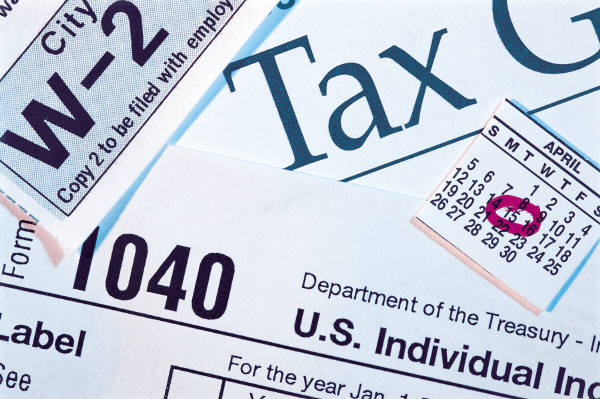
It's tax time again. As you sort through possible deductions, you may be able to write off some car expenses, including a portion of your insurance premiums.
Auto insurance and tax deductions
-
Business use of your car
If you're self‑employed and drive your vehicle for work, or if you use your car for work-related reasons without reimbursement, you may be able to deduct part of your premium.
Determine the percentage of miles you use the vehicle for work and base your deduction for auto expenses—including insurance premiums, gas, oil, repairs, registration fees, lease payments, depreciation, parking, and tolls—on that percentage.
You can also use the standard business mileage deduction, which is a per-mile rate set by the IRS, instead of itemizing actual expenses.
-
Loss, theft, or damage
You may be able to claim a casualty or theft loss if your car is stolen, damaged, or totaled and your policy doesn't reimburse you for the full loss.
In some cases you can include your insurance deductible as part of the loss, but casualty-loss rules have thresholds and limitations that determine whether a deduction is allowed.
Keep all relevant receipts and documentation, such as repair bills and police reports, in case the IRS or your insurer asks for verification.
For general agency guidance and tips, see Automotive Insurance.
If you are considering specific coverages such as gap protection, see GAP Insurance (Auto).
For a closer look at how coverage details can affect claims and expenses, see Understanding Insurance Policies and Coverage Gaps.
If you want general help from our office, see Insurance Agency Services and Auto Insurance Tips, or feel free to ask an agent.
Frequently Asked Questions
Can I deduct my full car insurance premium if I use my car for work?
You can deduct only the portion of expenses that corresponds to business use; personal use is not deductible.
Should I use actual expenses or the standard mileage rate?
Choose the method that gives the larger deduction; the standard mileage rate is simpler, while actual expenses require tracking all costs.
Can I deduct my deductible after a theft or accident?
Sometimes the deductible is part of a casualty loss deduction, but eligibility depends on thresholds and whether insurance paid the full amount.
What records should I keep to support a car-related deduction?
Keep mileage logs, receipts, repair bills, insurance statements, and any police reports related to theft or accidents.