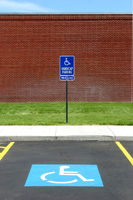
 Employers commonly must consider reasonable accommodations for employees with disabilities rather than debating whether a condition is a disability. Reasonable accommodations help employees meet essential job functions while maintaining productivity and safety. The list below summarizes common accommodations and the decision factors employers typically weigh.
Overview
Reasonable accommodations are adjustments or modifications to the work environment, job duties, or policies that enable an employee with a disability to perform essential job functions. Employers evaluate requests on a case-by-case basis, balancing effectiveness, cost, and business impact.
Examples range from physical changes to scheduling flexibility and auxiliary aids. Employers are not required to eliminate essential job duties or provide indefinite leave, but they are expected to explore practical options that remove barriers to employment. Related coverage topics include Merchant Processing Insurance.
Key takeaways
- Accommodations must be individually tailored and may include equipment, schedule changes, or reallocation of nonessential tasks.
- An employer should assess cost, business size, and operational impact when determining undue hardship.
- Interactive communication between employer and employee is essential to identify effective solutions.
How it works
An accommodation request typically begins with an employee notifying HR or a supervisor that they need an adjustment. The employer and employee then engage in an interactive process to identify limitations and practical solutions.
The interactive process can involve medical documentation, trial periods for proposed accommodations, and reassignment to vacant positions when appropriate. For guidance on transfers and related accommodations, see Understanding Reasonable Accommodations and Lateral Transfers. Other operational considerations are discussed in resources such as Film Processing Insurance.
What it may cover (and what it may not)
Common accommodations include accessible facilities, assistive devices, modified schedules, telework, reallocation of nonessential tasks, and qualified interpreters or readers. Employers may offer short-term modified schedules or paid/unpaid leave as reasonable accommodations when appropriate.
Accommodations do not require employers to remove essential job functions, create entirely new positions, or provide indefinite unpaid leave. When a requested accommodation would cause significant difficulty or expense relative to the employer’s resources, it may be considered an undue hardship.
Common mistakes to avoid
- Failing to engage in a timely, interactive discussion with the employee about needs and solutions.
- Assuming one-size-fits-all solutions instead of testing or tailoring accommodations to the job and person.
- Overlooking low-cost or no-cost adjustments before denying a request.
Questions to ask an agent
When reviewing policies or insurance implications, ask how workplace accommodations may affect liability or coverage for workplace modifications. Also inquire whether policies address telework, equipment provision, and return-to-work protocols.
If you need practical business guidance about vacant or alternative positions, additional background can be found at Vacant Dwellings Insurance, which discusses considerations related to reassignments and site changes.
Next steps
Create a clear internal process for accommodation requests that documents the interactive steps, timelines, and trial periods for solutions. Train supervisors to recognize requests and to engage HR promptly.
When an accommodation may involve a leave, workspace change, or equipment purchase, evaluate the expected impact and document the decision rationale. If you need a quote or want to discuss policy options, talk to an agent about coverage and risk management.
Frequently Asked Questions
What counts as a reasonable accommodation?
Any modification or adjustment that enables an employee with a disability to perform essential job functions without imposing undue hardship on the employer.
Do employers have to allow working from home as an accommodation?
Employers must consider telework requests but are not required to allow remote work if it prevents performance of essential job duties or causes undue hardship.
Can an employer ask for medical documentation?
Yes, an employer may request medical documentation to establish the need for an accommodation when the disability or need is not obvious.
Is unpaid leave ever a reasonable accommodation?
Short-term unpaid leave may be reasonable in some cases, but indefinite unpaid leave is typically not required.