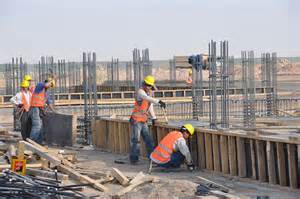
Required by law, Workman's Compensation Insurance, usually called worker's comp, protects your employees from injury, illness, and even death that is work related.
Shop Around
Insurers use statistics from the National Council on Compensation Insurance (NCCI) to determine high- and low-risk industries, and an individual employer's safety record affects that employer's premium.
Like other types of insurance, shopping around pays off because rates vary from company to company. If you need help choosing coverage, talk to an agent.
Your construction company's experience modification factor (part of the premium calculation) is based on a rolling average of claims. Typically this uses a three-year average of claims made during the prior four years, which reflects the lag in reported claims. For information specific to construction classifications and considerations, see Construction Trade Contractors Workers Compensation.
For information about union and independent worker classifications in construction, see Construction Union and Independent Workers Compensation.
Employees on a Job Site May Have Other Recourse
Imagine you are a plumbing subcontractor on a multi-story project. One of your employees was on the second floor running pipe when scaffolding gave way. The employee fell two stories, severely injuring his back, missed three months of work, required extensive physical and occupational therapy, and may have a permanent disability.
While this looks like a large workers' comp claim that could hurt your experience rating, other parties may share responsibility. If an investigation shows the scaffold was improperly assembled and the scaffolding company had prior incidents, your employee and your workers' comp insurer might pursue a third-party negligence claim against the scaffolding company or the general contractor. If the insurer recovers money through that claim, the portion paid by workers' comp is reduced and the impact on your future premiums may be smaller. For a general overview of how workers' compensation works, see Understanding Workman's Compensation Insurance.
There is also trade-specific guidance that can help you classify risk and manage costs; for example, see Workers Compensation for Conduit Construction (Wires & Cables).
Take-Aways
- Comparison-shop for the best rates for your construction company's workers' comp insurance.
- Depending on the circumstances of an injury, product liability or third-party liability claims may apply; work with your insurer to minimize their payout and protect your experience rating.
- Employers with good safety records generally pay lower premiums than those with poor safety records.
Frequently Asked Questions
Does workers' compensation cover subcontractors?
Workers' comp typically covers employees of the named insured; coverage for subcontractors depends on how they are classified and whether they are listed on the policy or required to carry their own coverage.
Can my insurance company sue a third party after paying a claim?
Yes. Insurers often pursue third-party claims (subrogation) when another party's negligence caused the injury; recovered amounts can reduce the insurer's costs and lessen the claim's effect on your experience rating.
How can I lower my workers' comp premiums?
Maintain a strong safety program, report and manage claims promptly, classify employees accurately, and shop multiple insurers to compare rates and terms.