Overview
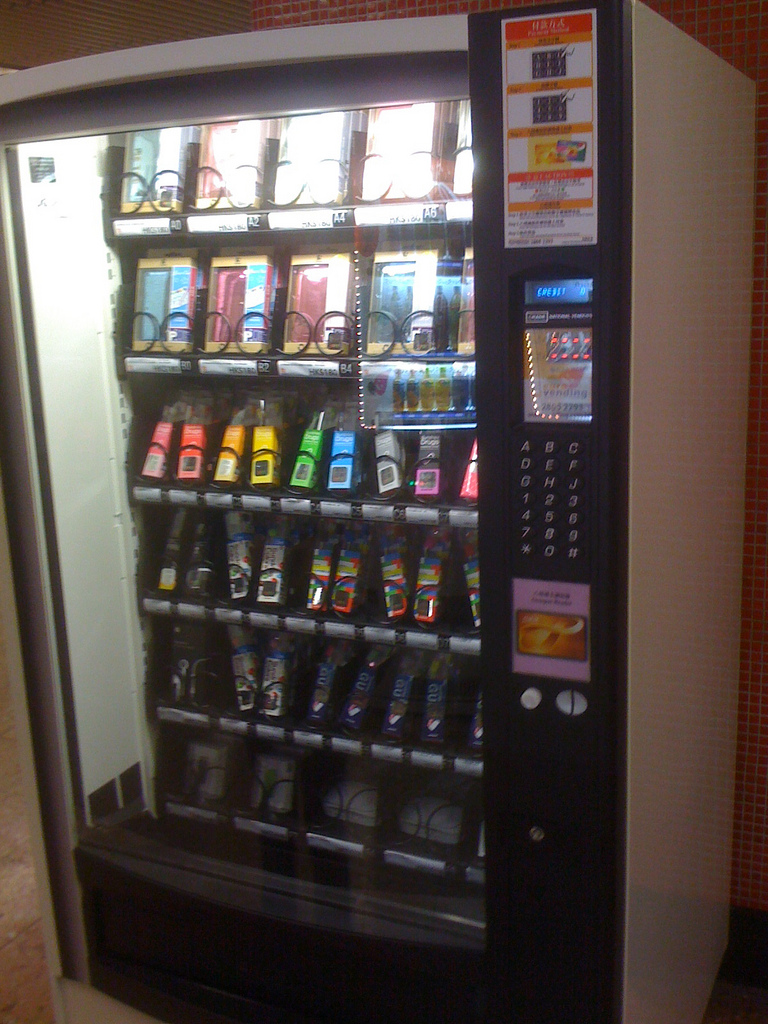
Small changes to workplace vending options can improve employee health, reduce sick days, and increase productivity. Replacing sugary sodas and fried snacks with water, fresh fruit, whole-grain bars, and nuts encourages steady energy levels and better concentration throughout the day.
These substitutions are practical, low-cost interventions that support wellness programs and can complement broader safety and benefits planning for your business.
Key takeaways
- Swap soda and high-sugar snacks for water and whole foods to support steady energy and focus.
- Healthier vending choices can lower long-term healthcare costs by improving employee wellbeing.
- Communicate benefits and provide variety to increase acceptance of new vending options.
How it works
Start by auditing current vending inventory to identify the highest-sugar and highest-fat options. Work with your vending provider to add alternatives such as bottled water, unsweetened beverages, pre-portioned nuts, fresh fruit, and low-sugar granola or protein bars.
Label items with basic nutrition highlights and consider price incentives that make healthier items equally or more attractive than less healthy choices. Small nudges like placement at eye level and occasional taste samples help adoption. If you use ice machines for perishable stocking, review Ice Machine Insurance for related equipment considerations.
What it may cover (and what it may not)
Healthier vending is primarily a wellness and benefits strategy rather than an insurance product, but it supports risk-reduction goals that insurers value. For guidance on employer programs and workplace risk management, review Employee Health and Safety Insurance for information on how wellness ties into overall workplace safety planning.
If your business owns or operates vending machines, there may be operational and property considerations. See Workplace safety, machinery & boiler insurance, wellness and cloud security and Vending Machine Insurance Overview for details about property, liability, and operator coverage related to vending equipment and stocking responsibilities.
For operator-specific guidance, see Merchandising Machine Operators. Note that insurance typically does not pay for the cost of healthier food options themselves, but improved employee health can reduce claims and absenteeism over time.
Common mistakes to avoid
- Assuming employees will automatically choose healthier items without clear labeling or incentives.
- Eliminating all familiar options at once; sudden removals can trigger backlash.
- Failing to monitor sales and adjust offerings—regular review keeps stock relevant and reduces waste.
Questions to ask an agent
Ask how wellness initiatives influence your overall risk profile and whether any policy discounts or programs are available when you implement employee health measures.
Discuss equipment ownership and stocking responsibilities so you understand who is liable for losses, theft, or equipment damage related to vending machines.
Next steps
Begin with a small pilot: replace one machine or one set of snack options, track sales and employee feedback for a month, then expand successful changes. Communicate benefits clearly and provide low-friction choices like pre-cut fruit and single-serve nuts.
If you want to review coverage options or implications for your specific business, talk to an agent who can help align your wellness efforts with appropriate insurance solutions.
Frequently Asked Questions
Will swapping vending machine items really affect employee health?
Yes—reducing sugary drinks and processed snacks in favor of water, fruit, and nuts can improve hydration, steady blood sugar, and support sustained energy and concentration.
Do insurers offer incentives for workplace wellness programs?
Some insurers and brokers highlight wellness programs as part of broader risk management, which may influence plan design or preferred-provider discussions; check with your agent for specifics.
How should we introduce changes to minimize pushback?
Use a phased approach, clear nutrition signage, and pricing incentives; soliciting employee input on preferred healthy items also improves acceptance.