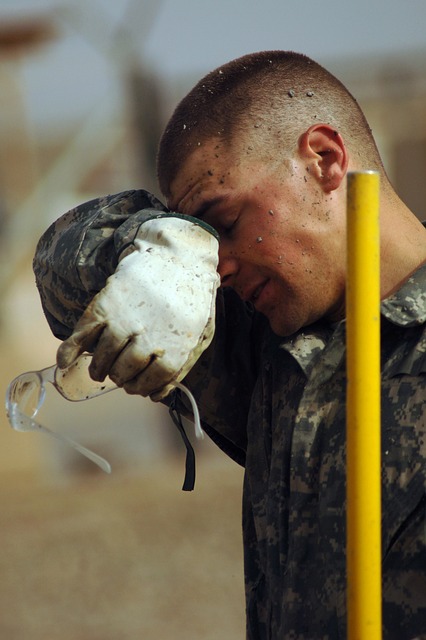
High heat and construction work are simply not compatible, but the work often must get completed. Protective clothing and gear reduce the body’s ability to shed heat, and that combined with high temperatures creates hazards that require vigilant monitoring.
Keep crews hydrated, rested, and shaded when possible, and watch for early signs of heat-related illness so you can intervene before an emergency develops.
Short-term exposures to heat and humidity
- Prevention: Drink plenty of water — a practical check is that an employee should urinate at least every three hours, with two hours preferable. Wear breathable clothing such as cotton when practical, work in the shade or indoors where possible, and schedule frequent water breaks in shaded areas.
- Heat exhaustion: This is the stage before heat stroke when dehydration-related symptoms appear. Any dizziness, nausea or vomiting, cramping, sudden weakness, headache, blurred vision, or unusual fatigue requires immediate attention. Rest the worker in the shade, loosen tight clothing, and provide water; observe them closely. If sweating stops, symptoms worsen, breathing becomes rapid, or the pulse is quick, seek emergency medical help immediately.
- Heat stroke: LIFE THREATENING. Add these to the heat exhaustion symptoms:
- Hallucinations, confusion, disorientation, or illogical behavior
- High body temperature, very hot or flushed skin, difficulty breathing
- Unconsciousness or coma
Seek immediate professional help for any signs of heat stroke or rapidly worsening symptoms.
Bacteria-carrying insects are also more active in warm weather, and illnesses such as Lyme disease and West Nile virus are possible. Use mosquito deterrent, check for ticks after outdoor work, and review relevant occupational-risk guidance such as Hot Tub Safety; Occupational Heat Risks; Inspection Tech; Termination Litigation for additional precautions.
Long-term exposures include an increased risk of skin cancer; wear protective clothing and apply broad-spectrum sunscreen to exposed skin.
Common sense can prevent much worker strain. For example, if a concrete pour is planned for an extremely hot day, postpone the pour when possible — you reduce heat-related discomfort and the odds of poor-quality concrete placement.
Remember machine operators and drivers as well. Check on them throughout the day and watch performance for signs of erratic behavior; even air-conditioned cabins can cause dehydration under strong sun. For construction-specific heat policies and liability considerations, see Heat Exposure in Construction and Host Liquor Liability. For related coverage topics, see Theatrical Producers Insurance and Theaters Insurance.
To keep crews available for the whole week, supply ample water and shaded rest breaks early in the week so bodies are better prepared later on. If you need help planning controls or coverage, ask an agent.
Frequently Asked Questions
How much water should workers drink during a hot shift?
Workers should drink regularly so they urinate at least every three hours; two-hour intervals are better, and intake increases with exertion and heat.
What are the earliest signs of heat exhaustion?
Early signs include headache, dizziness, nausea, muscle cramps, weakness, and excessive fatigue; these require immediate rest and hydration.
When should I call emergency services for a worker with heat-related illness?
Call emergency services if the worker stops sweating, becomes confused or disoriented, has a very high body temperature, breathes rapidly, has a fast pulse, or loses consciousness.
What clothing and sun protection are best for outdoor workers?
Lightweight, breathable, loose-fitting clothing, wide-brimmed hats, and regular use of broad-spectrum sunscreen on exposed skin offer the best protection.