Overview
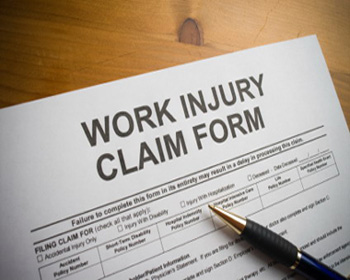
Workplace injuries range from strains and slips to being struck by objects or falling from heights. Many injuries are preventable with proper training, equipment, and workplace practices. This guide summarizes common injury types, what workers compensation typically addresses, and practical steps to lower risk on the job.
Key takeaways
- Overexertion and repetitive motion are among the most common causes of workplace injury.
- Good housekeeping, protective equipment, and safe work practices reduce most slips, trips, and falls.
- Know what your employer’s workers compensation covers and what actions to take after an injury.
How it works
Workers compensation is a no-fault system that provides medical and wage benefits to employees hurt on the job. Benefits usually cover reasonable medical care and a portion of lost wages while recovering, subject to your employer’s policy and state rules.
Employers in specialized industries often use program-specific policies. For example, businesses with storage and equipment operations may participate in tailored programs such as Off Course and Storage Program that align coverage with typical exposures. For details on common policy options for injured workers, see Workplace Injury (Workers' Compensation) Insurance.
What it may cover (and what it may not)
Typical coverage includes treatment for acute injuries (fractures, lacerations) and many work-related musculoskeletal conditions, such as sprains from lifting or repetitive stress injuries. It can also cover vocational rehabilitation when a return to previous duties is not possible.
Workers compensation generally does not cover injuries that occur while commuting, intentional self-harm, or injuries that happen while the worker was acting outside the scope of employment. Coverage details and limits vary by employer policy and state regulations.
Common mistakes to avoid
Delaying medical care or failing to report an injury promptly can complicate a claim and slow recovery. Report injuries as soon as they occur and follow your employer’s incident reporting procedures.
Assuming minor injuries will always heal without documentation is risky; small strains can become chronic if not treated early. Also, neglecting basic safety steps—like using proper lifting technique or wearing required protective gear—greatly increases injury risk.
Questions to ask an agent
Ask which benefits are included for medical care and wage replacement, and whether temporary or permanent disability benefits apply. If your business has unique exposures, ask if there are specialized policy options such as Moving and Storage Program (Local) that match those risks.
Request clarification on claim reporting timelines and return-to-work programs, and whether any employer-sponsored safety training is required or recommended. You can also ask about regional or industry-specific coverages such as MS and LA Program (Marine‑Support & Longshore Insurance).
Next steps
Reduce risk by enforcing housekeeping, providing appropriate personal protective equipment, and training employees on safe lifting and fall prevention. If you operate a retail property or multi-tenant storefront, consider industry-specific coverage like Strip Centers Insurance to address location-related risks.
If your operations include parking or valet services, review the Parking Garage and Valet Operators Program. If you need help understanding coverage options or filing a claim, talk to your manager or talk to an agent who can explain policy details and recommend next steps.
Frequently Asked Questions
What should I do immediately after a workplace injury?
Get medical attention if needed, report the incident to your supervisor according to company policy, and document what happened while details are fresh.
Will workers compensation cover ongoing physical therapy?
It often covers medically necessary rehabilitation when prescribed by an approved provider, subject to policy limits and authorization rules.
Can I choose my own doctor for a work injury?
That depends on state rules and your employer’s policy; some systems require treatment by a company-approved provider for initial care.
What if my injury gets worse after returning to work?
Report any recurrence or worsening symptoms promptly to your employer and seek medical reassessment to update your claim and treatment plan.