Overview
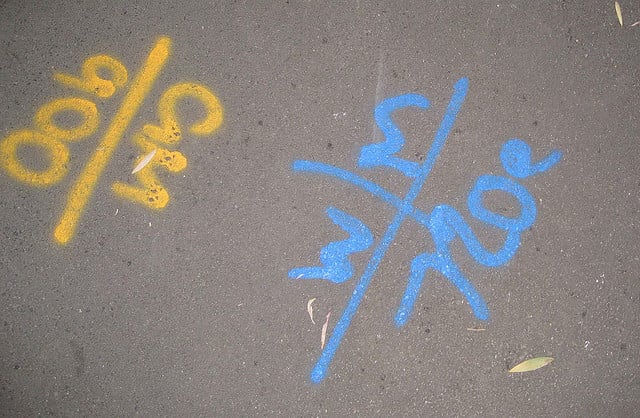 When a crew is preparing to install a guardrail or other site improvement, buried utilities — especially fiber optic cables — are a common and costly hazard.
Responsibility for cutting or damaging a fiber cable often depends on who located and marked the line, the quality of markings, and whether the contractor followed required pre-dig procedures.
The goal on site is to establish where lines run, document that information, and proceed using safe excavation practices.
Key takeaways
- Always confirm utility locations before digging, even if markouts appear clear.
- Document all markings, communications, and decisions to protect your crew and show due diligence.
- Use hand digging or vacuum excavation near marked areas and request a remark if marks seem missing or inaccurate.
How it works
Before any excavation, you or your supervisor should call the state or regional utility notification service and wait the required clearance time for markouts.
That call produces tickets showing which utilities were notified and which utilities responded with field markings.
Marking crews identify utilities based on records and field evidence; however, markings can be incomplete, misplaced, or missing if a utility is privately owned, newly installed, or undocumented.
Site supervisors should verify markouts by checking plats, easements, and visible infrastructure such as poles, handholes, or signs.
For coverage tied to one-call services and locating operations, see One-Call Systems Insurance.
What it may cover (and what it may not)
Site procedures and contractor responsibility typically cover calling the utility notification service, observing and documenting marks, and using non-invasive methods for final exposure near marked utilities.
Proper documentation and adherence to required safe-dig practices can shift liability away from a contractor if they followed all steps.
Insurance and bonding may cover accidental damage or repair costs depending on the policy and the contractor’s compliance with pre-dig requirements. For information about bonds commonly used in utility and construction work, see Utility Bond.
Coverage gaps can occur when utilities are private, not recorded, or intentionally unmapped; confirm whether a site has private services and consider protections for utility districts or similar owners by reviewing relevant insurance options such as Utility Districts Insurance (water, sewer, electric).
For exposures related to vegetation or land clearing near utilities, consider Clearing Right of Way Insurance.
Common mistakes to avoid
Assuming marks are correct without verifying plats and easements is a frequent error.
Superintendents should always confirm visible markers, interview the locating crew about any uncertainties, and request a remark if anything appears inconsistent.
Failing to document is another major mistake; take clear photos of all markings before work begins and note the ticket number, date, and whom you spoke with at the locate service.
Rushing to mechanized excavation in the immediate area of any suspected utility line can cause costly damage; use hand digging, potholing, or vacuum excavation to confirm depth and location within the tolerance zone.
Questions to ask an agent
What insurance or bond requirements apply to my type of site work and my state? Asking this helps determine whether you need specific coverage or higher limits for utility damage.
Does my professional liability or general liability policy require specific procedures to qualify for coverage after a utility strike? Get clarification on documentation and compliance expectations.
Are there recommended endorsements or policies that address private utilities or work near right-of-way and easements? Discuss these options and whether bonding is advised; you can also talk to an agent for a tailored review.
Next steps
Before breaking ground, gather the site plat, easement maps, and utility tickets; photograph existing marks and any nearby infrastructure.
If marks are missing or inconsistent, request a remark and verify with the locating crew which utilities were not marked and why.
Plan excavation so hand digging or non-destructive methods are used within the posted tolerance zone, and ensure supervisors know to stop work and notify the utility owner immediately if a line is hit or suspected.
Keep a clear file of all communications, photos, tickets, and onsite decisions to demonstrate due diligence and reduce dispute or liability if an incident occurs.
Frequently Asked Questions
Who is responsible for cutting a fiber optic cable?
Responsibility depends on local regulations and the facts: typically the party who excavated is held accountable unless they can show they followed required locate and safe-dig procedures.
What should I document before digging?
Document the ticket number, photos of markings, plat and easement checks, conversations with the locator, and any requests for remarking.
What immediate steps should be taken if a fiber line is hit?
Stop work, secure the area, notify the fiber owner and the locate service, and document the incident; avoid attempting unauthorized repairs.
How can I reduce the chance of damaging utilities?
Use hand digging or vacuum excavation near marked areas, verify plats and easements, and insist on re-marks when in doubt.