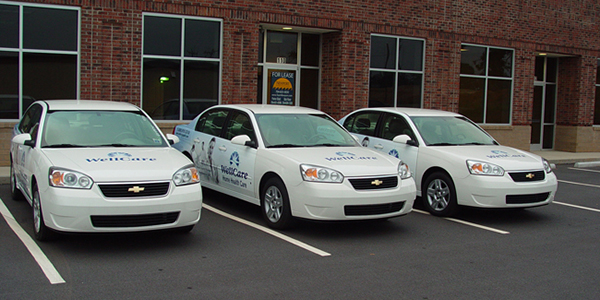
 Many business owners and employees are unsure when to use personal auto insurance versus commercial or business automobile coverage. This article explains the common commercial auto policy forms, how ownership and use affect coverage, and practical steps to reduce gaps in protection.
Key takeaways
- Whether a vehicle is titled in a person's name or the business name usually determines whether personal or commercial coverages apply.
- Commercial auto has several specialized forms (for example, garage and motor carrier) to match different business risks.
- If employees drive personal cars for work, a business should consider hired and non-owned auto liability to protect the company.
How it works
Personal auto policies typically follow the vehicle owner and are designed for routine private use, while commercial auto policies are written for vehicles owned, operated, or exposed to business-related risks.
Commercial automobile coverage is not a single form; it includes policy types such as business auto, garage, and motor carrier forms that match distinct operational needs.
For more on how personal and business vehicle ownership affects which policy is appropriate, see Commercial Auto Insurance: Personal vs Business Vehicles.
What it may cover (and what it may not)
Business auto policies generally provide liability for bodily injury and property damage, physical damage to owned vehicles, and medical payments or PIP where applicable.
Garage forms expand coverage to businesses that repair, sell, or park vehicles for the public, addressing exposures from customers driving company premises or vehicles owned by third parties.
Motor carrier forms include provisions for situations common in trucking, such as separate coverage for power units and trailers and endorsements that reflect owner-operator relationships.
Common mistakes to avoid
Assuming a personal policy will cover business use is a frequent error; many personal policies exclude regular business use and can deny claims tied to work activities.
Not adding hired and non-owned auto coverage when employees drive personal vehicles for company business leaves the employer exposed to vicarious liability.
Misclassifying a vehicle on the wrong policy form — for example using a business auto form when a garage form is appropriate — can result in coverage gaps for routine exposures.
Questions to ask an agent
Do my employees' personal vehicles need to be covered under hired and non-owned liability when used for work trips?
Which commercial form fits my operations: a standard business auto form, a garage form, or a motor carrier form?
Are owner-operators, leased trailers, or subcontracted drivers covered under my current motor carrier endorsements?
Next steps
Inventory each vehicle your business uses and note title ownership, primary use, and whether employees drive personal cars for work; this helps match the exposure to the correct policy form.
If you need tailored examples for your industry, read Understanding Commercial Auto Insurance for a deeper look at common business scenarios and coverages.
If your business does hauling or uses independent drivers, consider the specific issues discussed in Business vs. Personal Auto Insurance and Employer Mobile Device Liability to identify potential gaps.
When you’re ready to review options or get a tailored quote, talk to an agent who can confirm the right forms and endorsements for your operations.
Frequently Asked Questions
What is hired and non-owned auto coverage?
It covers the business’ liability when employees use rental or personal vehicles for company business and the business is vicariously liable for an employee’s driving.
When should a business use a garage form instead of a standard business auto policy?
Use a garage form when the business regularly allows the public to drive or leave vehicles in the care, custody, or control of the business, such as repair shops or dealerships.
Does personal auto insurance cover me if I drive a company-owned vehicle?
Not usually; if the company owns the vehicle the business policy or a "drive other cars" endorsement on the business policy is typically needed to cover the driver’s liability.
What are common endorsements for motor carriers?
Motor carrier endorsements can include coverage for non-owned trailers, hired auto liability, and specific limits or conditions for leased power units and owner-operators.