Overview
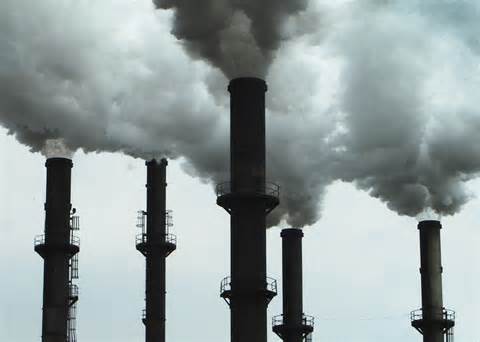 Pollution liability insurance protects contractors and site owners from claims for bodily injury, property damage, and cleanup costs caused by hazardous materials. This coverage fills gaps that a standard general liability policy usually does not cover, such as expensive remediation and long-term contamination claims.
Contractors who work with asbestos, lead, fuel, industrial waste, or other hazardous substances are the most likely to need this insurance. Property owners can also face unexpected liability if a prior inspection missed buried contamination.
Key takeaways
- Pollution liability covers cleanup and third-party claims that general liability typically excludes.
- Coverage is important for contractors with hazardous-material exposure and for owners of industrial properties.
- Policies must be in place before an incident or discovery; they are not effective retroactively.
How it works
Policies may be written as a standalone pollution liability policy, added as a rider, or included in broader commercial coverage. Underwriting considers the type of work, past claims history, site conditions, and limits requested.
If a pollution event occurs, the insurer will respond to defense costs, settlements, and cleanup expenses according to the policy terms and any applicable deductibles. For trade-specific guidance, contractors can review General Contractors Pollution Liability to compare typical exposures and underwriting factors.
What it may cover (and what it may not)
Typical coverages include third-party bodily injury and property damage, cleanup and remediation costs, and completed operations liability for incidents that emerge after a job is finished.
Common exclusions include intentional acts, known preexisting contamination (unless purchased as an exception), statutory fines in some jurisdictions, and pollutants specifically named by the insurer. For lower-hazard operations or waste streams you consider non-hazardous, see the distinctions explained in Non-Hazardous Waste Pollution Liability to understand when pollution coverage may still be advisable.
Common mistakes to avoid
Waiting until after a contamination event to buy coverage is a frequent error; policies generally do not cover past-known conditions or incidents that occurred before inception.
Another mistake is assuming general liability will cover cleanup costs; written policy language often excludes pollution remediation unless specifically added.
Failing to disclose prior site work, past claims, or storage practices during application can lead to denial of coverage when a claim arises.
Questions to ask an agent
Ask about available limits, aggregate versus per-occurrence limits, and how defense costs affect the limit. Clarify whether remedial action and emergency response are included.
Request specifics about exclusions and any known endorsements that may be needed for your trade or site conditions. If you handle portable sanitation or similar services, review trade-specific coverage options like Understanding Portable Toilet Service Pollution Liability Insurance.
Next steps
Inventory the materials you handle, any past environmental reports, and the locations of storage or disposal. Use that information when you request quotes so underwriters can assess risk accurately.
Compare standalone pollution policies versus packaged options and consider deductible levels against potential cleanup costs. Contractors in building trades can compare specialized options at Contractors Pollution Liability Insurance for Construction. When you need personalized guidance, discuss policy terms and limits with an insurance professional—feel free to talk to an agent to review your options.
Frequently Asked Questions
Does general liability cover pollution incidents?
No, standard general liability policies typically exclude pollution cleanup and related third-party claims unless a pollution endorsement is purchased.
Can I buy pollution coverage after a discovery of contamination?
No, pollution policies generally will not cover incidents or known conditions that existed before the policy was in force.
What factors affect the cost of pollution liability insurance?
Premiums depend on the type of operations, limits and deductibles chosen, past claims history, and the perceived severity of potential contamination.
Do completed operations claims fall under pollution liability?
Yes, many pollution liability policies include completed operations coverage for contamination discovered after work is finished, but specific terms vary by policy.