Overview
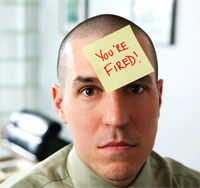 Wrongful termination occurs when an employee is fired in violation of employment law or an employment contract. Employers commonly buy specialized coverage to help manage the financial and legal risks that arise from those claims. This article explains the basics of how that coverage works and what steps an employee should take if they believe they were wrongfully terminated.
Key takeaways
- Employers often carry Employment Practices Liability insurance to cover claims like wrongful termination, discrimination, and harassment.
- If you believe you were wrongfully terminated, document events promptly and consult an employment attorney.
- Insurance may help pay legal defense costs and settlements, but it does not replace understanding your rights.
How it works
When a former employee files a claim alleging wrongful termination or another employment practice violation, the employer notifies its insurer and uses the policy to help cover legal costs and potential settlements. Coverage typically applies to claims brought by current, former, or prospective employees, and insurers may provide defense counsel and negotiation support.
Policies vary in scope, limits, and exclusions, so review policy terms or ask for policy summaries to understand how claims are handled and what obligations the employer and insurer have during a dispute.
What it may cover (and what it may not)
Employment Practices Liability insurance commonly covers allegations of wrongful termination, discrimination, sexual harassment, breach of employment contract, and retaliation claims such as for whistleblowing. It may also cover related legal fees and settlement costs. For a concise primer on employer-side liability concepts, see Understanding Liability Insurance for Employers.
Most policies exclude intentional criminal acts, statutory fines or penalties in some jurisdictions, and certain types of wage-and-hour claims unless specifically endorsed. Certain policies or endorsements may be tailored for specific classes of workers; for an example of a specialized option, see Wrongful Termination Insurance for General Partners.
Common mistakes to avoid
Don’t delay collecting information — preserve emails, performance reviews, and any written communications about your termination. Delays can make it harder to prove the facts later.
Avoid relying solely on employer statements; obtain a copy of any relevant employment contract or personnel file and seek independent guidance before signing separation agreements or waivers.
Assuming insurance guarantees a payout is risky — insurers may defend vigorously or deny coverage based on policy language, so professional advice is important.
Questions to ask an agent
When discussing a claim or the employer’s coverage, useful questions include who handles employee claims, what types of employment disputes are covered, and whether defense costs reduce policy limits. If you want more detail on employee protections and what to expect during a termination dispute, see Understanding Employee Rights and Termination.
Also ask whether the employer has purchased any endorsements that expand or limit coverage and whether there is a claims-made or occurrence-based policy in force. For information on a narrower policy form you might ask about, see Designated Wrongful Employment Practices Liability Insurance.
Next steps
If you believe you were wrongfully terminated, start by documenting the timeline, gathering written records, and saving any communications related to the decision. Contact an employment attorney for an evaluation of your situation and to learn about deadlines for filing claims.
If you would like assistance obtaining coverage quotes or comparing options with an insurance professional, consider using the option to talk to an agent who can review employer-side policy features and limits.
Frequently Asked Questions
What steps should I take immediately after a termination?
Document the reasons given for your termination, preserve emails and messages, request copies of your personnel file, and consult an employment attorney for guidance.
Does employer insurance pay me directly if I was wrongfully terminated?
Insurance typically covers the employer’s legal defense and settlements; any compensation to an employee is usually negotiated as part of a settlement, not paid directly by the insurer to the employee without an agreement.
How long do I have to file a wrongful termination claim?
Filing deadlines vary by jurisdiction and the type of claim, so consult an attorney promptly to determine applicable time limits.
Can a separation agreement prevent me from bringing a claim later?
Yes — if you sign a valid release in exchange for severance, it may bar later claims; have an attorney review any agreement before signing.