Overview
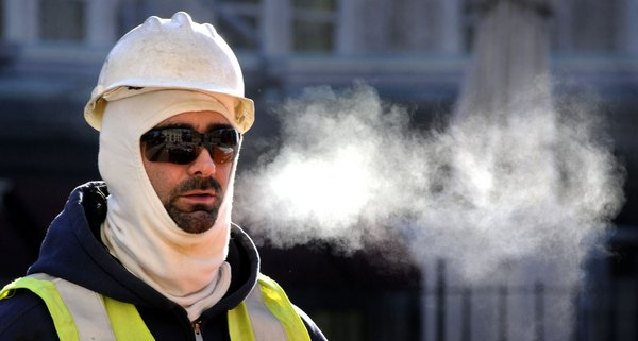 Cold exposure on worksites can lead quickly to frostbite and hypothermia when temperatures drop or when workers get wet, fatigued, or dehydrated.
Employers and supervisors should understand the physiological risks, reduce exposure, and prepare emergency response plans so workers can remain safe while working outdoors in winter weather.
Businesses that routinely operate in cold conditions may also evaluate specialized policies such as Winter Weather Insurance to help manage financial risk from weather-related interruptions and claims.
Key takeaways
- Hypothermia and frostbite are preventable with planning, proper clothing, and work-rest cycles.
- Supervisors should monitor workers for early symptoms and provide warm shelters and fluids.
- Hydration, avoiding alcohol and nicotine, and staying dry significantly reduce cold-related risk.
How it works
The body maintains a core temperature near 98.6°F; prolonged cold exposure forces physiological responses such as peripheral vasoconstriction and shivering to preserve heat.
Frostbite occurs when skin and underlying tissues freeze, causing reduced circulation and possible tissue damage, while hypothermia is a drop in core temperature that impairs mental and physical functions.
Risk increases when workers are wet, exhausted, dehydrated, or exposed to wind and low temperatures for extended periods, and symptoms can progress rapidly without intervention.
What it may cover (and what it may not)
Preventive programs cover training, personal protective equipment (PPE), and work-rest scheduling to reduce exposure, while emergency response covers warming, first aid, and evacuation procedures.
Insurance or business-continuity solutions may cover costs related to weather-related injuries, property damage, or operational downtime, but coverage limits and exclusions vary by policy.
Employers should confirm specifics with their insurer and review policy language for exclusions related to negligence, equipment misuse, or uncovered operations.
Common mistakes to avoid
- Failing to enforce layered, moisture-wicking clothing and carry spare dry garments.
- Allowing long continuous work periods without warm-up breaks or shelter access.
- Neglecting hydration and permitting alcohol or heavy caffeine use during shifts.
- Not training supervisors to recognize early signs such as severe shivering, confusion, or slurred speech.
Questions to ask an agent
What types of injuries and operational losses related to cold weather are covered under our current policy, and what limits apply?
Are there recommended safety or documentation practices we should follow to ensure coverage for a cold-related claim?
Can you explain any exclusions for outdoor work, subcontractor operations, or equipment failure in extreme weather?
What resources does the insurer provide for employee training, emergency planning, or loss prevention?
Next steps
Create or update a cold-weather safety plan that includes layered clothing requirements, mandatory warm-up breaks, rotation of staff, and onsite warming shelters or vehicles.
Provide training on early symptoms of hypothermia and frostbite, stocking first-aid supplies, and assigning responsibility for weather monitoring and emergency contacts.
Review your business insurance and risk-management options with your broker, including industry-specific solutions such as Outdoor Recreation Goods Manufacturing Insurance, if applicable to your operations.
If you need to confirm coverage or obtain a policy estimate, ask an agent to review your exposures and recommend appropriate limits and endorsements.
Frequently Asked Questions
How quickly can hypothermia set in?
Hypothermia onset varies by conditions and clothing; exposure to cold, wind, and wetness can lead to symptoms within minutes to hours, so monitoring and preventive measures are essential.
What first aid should be given for frostbite on site?
Move the person to warmth, remove wet clothing, avoid rubbing the area, and seek medical care; do not rewarm if there is a risk of refreezing before professional treatment.
Are heated shelters required for outdoor work in cold weather?
Regulations vary, but providing warm rest areas and enforced breaks is a best practice to reduce cold stress and protect workers' health.
Can hydration really affect cold-weather safety?
Yes; dehydration impairs circulation and thermoregulation, increasing susceptibility to cold injury, so encourage regular water intake even in cold conditions.