Insurance Essentials for Air Shows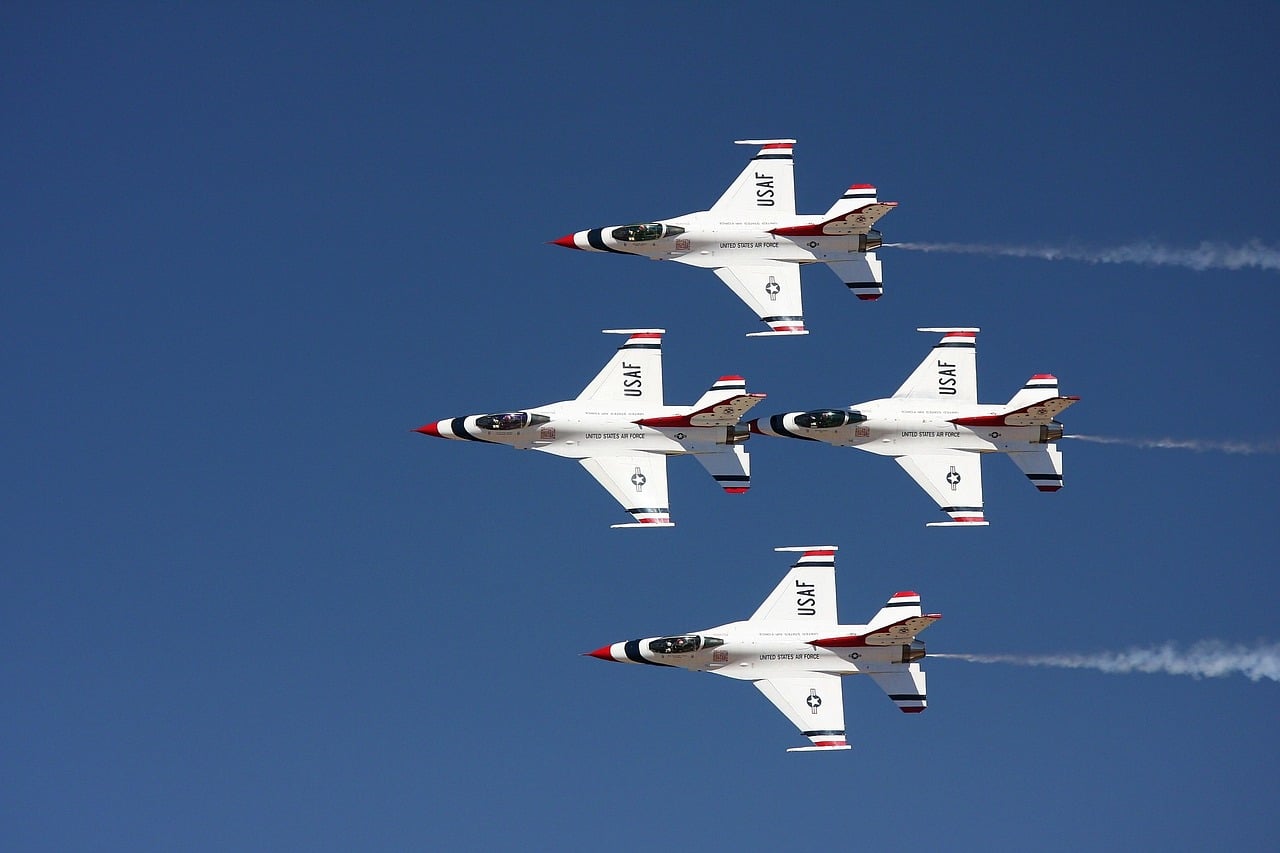
When the sky fills with roaring jets and daring aerobatics, air shows are a spectacle to behold. Behind the excitement, organizers, airport authorities, Fixed Base Operators (FBOs), sponsors, and operators must manage significant exposures. From military flyovers and aerobatic meets to vintage aircraft displays and aviation festivals, each event carries distinct liability and operational risks.
For personalized assistance, get in touch with our special event insurance experts today. Alternatively, read on to discover how to secure the right coverage for your air show, from understanding liability limits to managing specific event risks.
Understanding Coverage Needs: Special Events Coverage
Air shows require specialized insurance because many standard airport or general liability policies exclude airmeet activities. These events — including air meets, contests, and exhibitions — typically need dedicated policies that address bodily injury, property damage, and event-related liability exposures. For many organizers, reviewing tailored programs such as Airshow and Air Meets Insurance helps align coverage with event scale and complexity.
 Key Coverage Elements of an Air Show Insurance Policy
Occurrence and Aggregate Limits: Ensure the policy includes both occurrence and aggregate limits to cover individual incidents and total liabilities across the policy period, which is especially important for multi-day events.
Non-Owned Aircraft Coverage: Address liabilities related to aircraft and pilots not owned by the insured through specific endorsements, certificates, or program language.
Liability Limits: Typical limits range from one to five million dollars, with higher limits available up to ten million depending on attendance, aircraft types, and exposure.
Additional Coverage Considerations
Beyond basic liability, air shows often require endorsements or separate policies for:
- Products Liability
- Hangar Keepers Liability
- Pyrotechnics Liability
Event organizers should also consider participant and volunteer accident coverage and commercial auto exposure if vehicles are used for operations or transport. For organized balloon meets or smaller regional programs, see options such as the Airmeet & Balloon Meet Liability Program.
Key Supporting Coverages to Consider:
- Property Insurance: Protects rented, leased, or borrowed equipment such as radios, staging, and generators against loss or damage.
- Weather Coverage: A valuable option to reduce financial loss if adverse weather cancels or limits the event.
- Liquor Liability: Required when alcohol is served at VIP receptions or vendor areas, whether sold or complimentary.
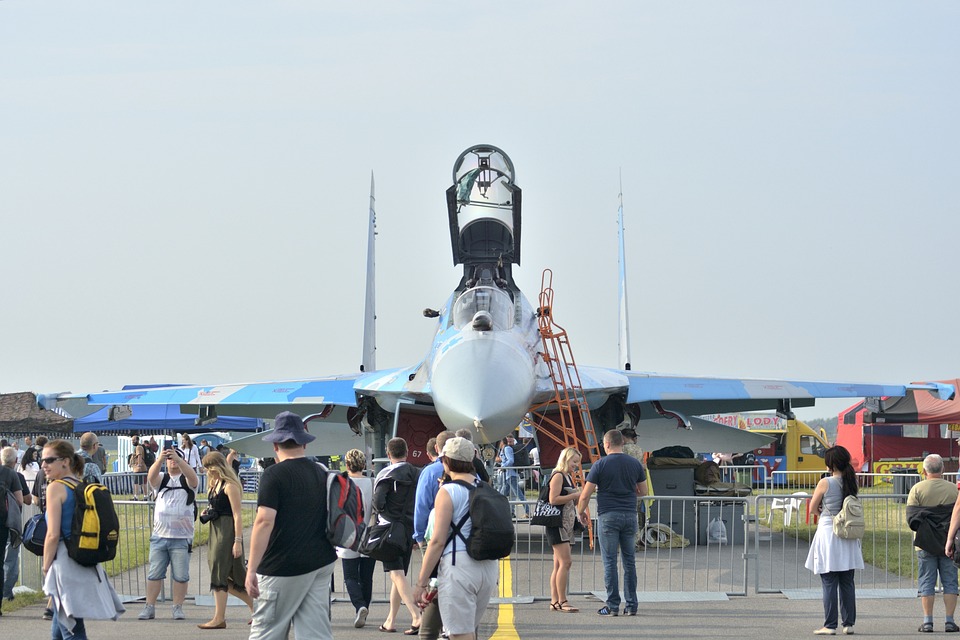
Common risks at air shows include spectator injury, fire, trip-and-fall incidents, and vehicle-related property damage. Good risk management pairs insurance with operational controls — such as certified pilot credentials, crowd barriers, emergency response plans, and vendor insurance requirements — to reduce exposures like operational hazards and spectator injury exposures.
To mitigate risks effectively, organizers should require vendors, participants, and suppliers to carry their own liability insurance and endorse the air show as an additional insured.
Commercial liability, event liability, equipment coverage, and participant accident coverage are common components of a comprehensive program. Clubs, associations, operators, airports, and event organizers typically seek these protections to cover underwriting factors and known exclusions while ensuring smooth operations.
By prioritizing comprehensive air show insurance coverage, air show organizers can better protect attendees, participants, and assets against unforeseen liabilities. For detailed guidance and customized insurance solutions, contact our team of special event insurance agents.
Frequently Asked Questions
What liability limits do most air shows carry?
Many shows carry limits between $1 million and $5 million per occurrence, with aggregate limits adjusted for multi-day events; larger or higher-risk shows may obtain higher limits. Your specific limit depends on attendance, aircraft types, and venue exposures.
Do vendors and performers need their own insurance?
Yes. Requiring vendors, performers, and contractors to carry their own liability insurance and to add the event as an additional insured helps transfer risk and reduce gaps in coverage.
How is non-owned aircraft liability handled?
Non-owned aircraft exposures are typically covered through specific endorsements or policy language that extend liability protection to aircraft not owned by the insured; underwriting may require pilot certificates and operational limits.
Still have questions? Talk to a local insurance expert.