Even the most dangerous animals can appear cute and cuddly from a safe distance and under the right circumstances.
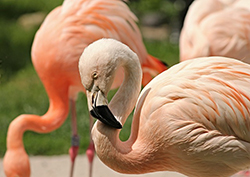
Unfortunately, as much as most people put aside their fears in a zoo environment, they are still wild animals that are, in most cases, capable of hostile and even deadly actions. Most of these actions are the result of what they perceive to be aggressive actions, but many are simply a matter of wild animals being wild animals, and accidents happen. Whatever the circumstances might be, the result can be legal actions that can be devastating to the owners and management of animal parks. It is for this reason that having an animal park general liability insurance policy in effect is a good idea.
Animal parks, just like many businesses, start off as small enterprises. Some start off with little more than the idea and a grand vision of the owner. Many years later, and with considerable sacrifice and hard work, an animal park can become a huge attraction that generates millions of dollars every year for both the owners and the employees who give their lives to the successful operation of the facility.
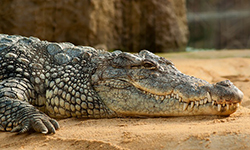
And although it might be a rare occurrence, sometimes tragedy strikes, and someone--a visitor or even an employee--can be hurt by a wild animal, resulting in a lawsuit that can prove to be the end of the business.
It doesn't take long to trawl the news before you can find numerous stories of people who have been hurt and even killed by animals that got loose and encountered a human being or even humans who have entered a cage with the intent of cleaning or feeding the animal and ended up injured or dead. Most often these cases are usually followed by lawsuits by the victims and their families.
A good example of these cases are the recent incidents that have taken place at Marineworld in Orlando, Florida, where Orcas have injured several trainers, and in one case a trainer was even killed.
Witnessing such an event is devastating to anyone and, admittedly, many would simply consider it a matter of being in the wrong place at the wrong time with no consequence, but others might consider themselves to be seriously and permanently hampered by seeing such a thing. This isn't even considering those who are directly impacted by these events--the spouses, children and other family members--who must live with the end result of these events.
Animal parks general liability insurance is just the type of coverage that might be needed in addition to general coverage that would take up the slack in costs for legal representation and damages that might be awarded. This might just give you the reserve you need to keep operating in the event of such downturns, something that might not be possible without this type of coverage.
Operators of animal parks face a range of liability exposures, from visitor injuries due to animal interaction to facility-related risks like unsafe pathways or enclosure breaches. This is why general liability insurance is often paired with participant accident coverage, property insurance for enclosures and buildings, and even commercial auto exposure coverage for parks that transport animals or staff. Risk management practices—such as staff training, signage, and habitat safety protocols—can also play a key role in reducing claims.
If your animal park includes aquatic exhibits or themed attractions, it may be worth reviewing specialized coverage options like
Aquarium and Zoo Operators Insurance or
Themed Attractions General Liability Insurance. These policies can offer tailored protection for unique facility risks not always addressed in standard liability plans.
Whether you're running a small wildlife rescue or a large commercial zoo, proper insurance can help protect your organization’s future.
Contact a local, experienced expert now.
Frequently Asked Questions
What does animal parks general liability insurance typically cover?
This coverage generally includes third-party bodily injury, property damage, and legal defense costs arising from incidents involving guests, staff, or facility operations.
Is this coverage required to operate an animal park?
While specific requirements vary by state and local jurisdiction, most lenders, partners, or municipalities will require proof of liability coverage before allowing operations to begin or continue.
What types of incidents are not covered?
Common exclusions may include intentional acts, employee injuries (covered separately under workers’ comp), and damages from non-disclosed high-risk activities or exotic species not listed in the policy.
Who typically purchases this type of insurance?
Operators of petting zoos, wildlife parks, exotic animal facilities, rehabilitation centers, and mobile animal exhibits often carry this type of coverage.
Can this insurance be customized for unique exhibits or traveling shows?
Yes, many insurers offer endorsements or specialized policies that address mobile exhibits, aquatic shows, or other non-traditional animal interactions.
Still have questions? Talk to a local insurance expert.