Home >
Zoos and Aquariums Insurance Guide >
Aquariums General Liability
This page is part of the broader Zoos and Aquariums Insurance Guide, which provides essential insights into various types of coverage relevant to aquarium operations. It includes how this specific coverage relates to other important areas, such as Zoos General Liability Insurance and Aquarium & Zoo Insurance Overview.
Owning a commercial aquarium is not only enriching and educational, it can also be a lot of fun.
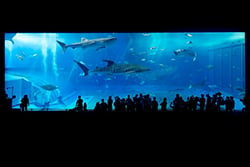
Children and adults may come from miles around to view your exotic fish and large-scale exhibits. But aquariums also come with a variety of risks that can be difficult to manage without the right protection. From customer complaints to property damage, aquariums general liability insurance plays a key role in protecting your business.
Aquariums General Liability Insurance
This type of insurance is essential for aquarium owners to operate safely and responsibly. While many owners understand the basics of liability coverage, they may not realize how important it is to choose the right limits and policy features. General liability insurance helps protect against a wide range of incidents, including injuries, property damage, and personal claims that may arise on your premises.
The Customer Element
Customers come from all backgrounds and have different expectations.
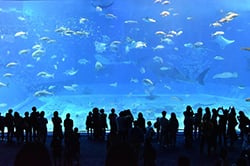
For example, a parent may bring their child to see the shark exhibit. If the child later has nightmares or becomes frightened, some parents may see it as a natural reaction—others might try to hold the aquarium responsible. While rare, lawsuits over emotional distress or alleged negligence can happen. General liability insurance helps cover legal expenses and settlements, even in unusual or unfounded cases.
The Criminal Element
While theft may not be a major issue for most aquariums, vandalism and intentional damage can occur. From graffiti to broken tanks or displays, these incidents can disrupt operations and cost thousands in repairs. Some acts may even be motivated by opposition to keeping marine animals in captivity. Liability insurance can help with the costs of restoring your property and minimizing downtime.
Major Events
Most aquariums are built with safety measures to withstand disasters like fires, storms, or earthquakes. However, extreme events can still cause significant damage.
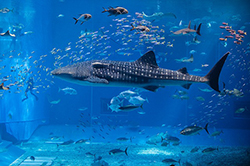
The aquatic life inside your facility is often rare and expensive to care for. Damage to tanks, life-support systems, or infrastructure can lead to major losses. Liability coverage helps protect against claims related to these events, including injuries to visitors and contractors.
No matter how you operate your facility,
the right level of aquariums general liability insurance is a must. Before choosing a lower-cost premium, consider how your policy would respond during a major incident. While you can screen employees and vendors, you can’t always prevent external risks or emergencies. Adequate insurance means your business is better protected against unexpected problems.
Related Coverages
Frequently Asked Questions
What does aquariums general liability insurance typically cover?
It covers third-party claims for bodily injury, property damage, and personal injury that occur on your aquarium premises.
Is general liability insurance required for aquarium businesses?
While requirements vary by state or facility type, most commercial aquariums need general liability coverage to operate, sign vendor contracts, or lease property.
Does this insurance cover damage to the animals or tanks?
General liability insurance usually covers third-party damages, not your own property or animals. You may need additional property or specialty coverage for that.
Can general liability insurance help with legal defense costs?
Yes, if a covered claim is made against your aquarium, the policy can help pay for legal fees, settlements, or judgments.
What factors affect the cost of aquarium liability insurance?
Factors include the size of your facility, number of visitors, types of exhibits, past claims history, and chosen coverage limits.
Still have questions? Talk to a local insurance expert.